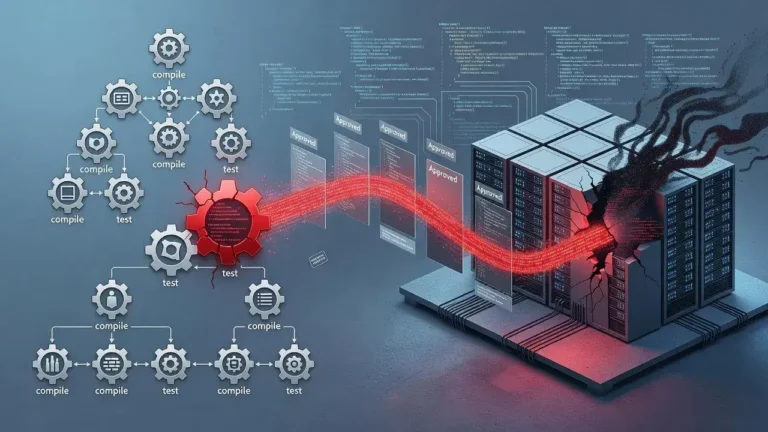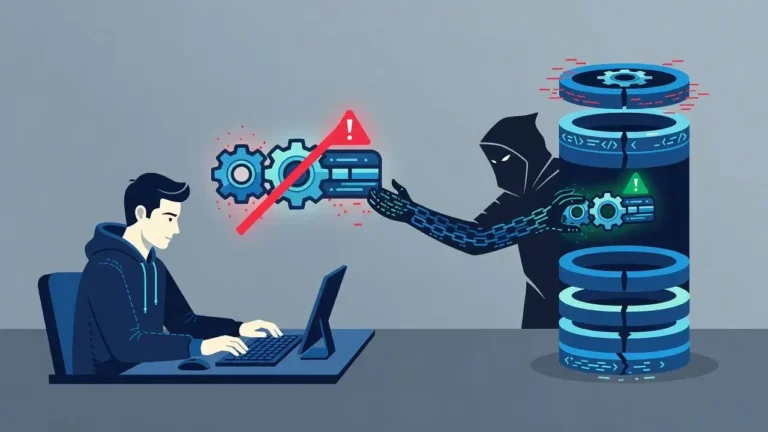
After testing three popular dependency scanning tools against a known critical CVE in a production environment, only one successfully identified the vulnerability, revealing significant gaps in how these security solutions detect threats in real-world scenarios.
When 3 dependency scanning tools I tested and only one caught the critical CVE, it became clear that not all security solutions are created equal. Modern development teams rely heavily on automated scanning to protect their applications, but my recent hands-on testing exposed troubling blind spots. Understanding which tools actually deliver on their promises can mean the difference between catching a breach before it happens and dealing with a costly security incident.
The testing methodology behind the comparison
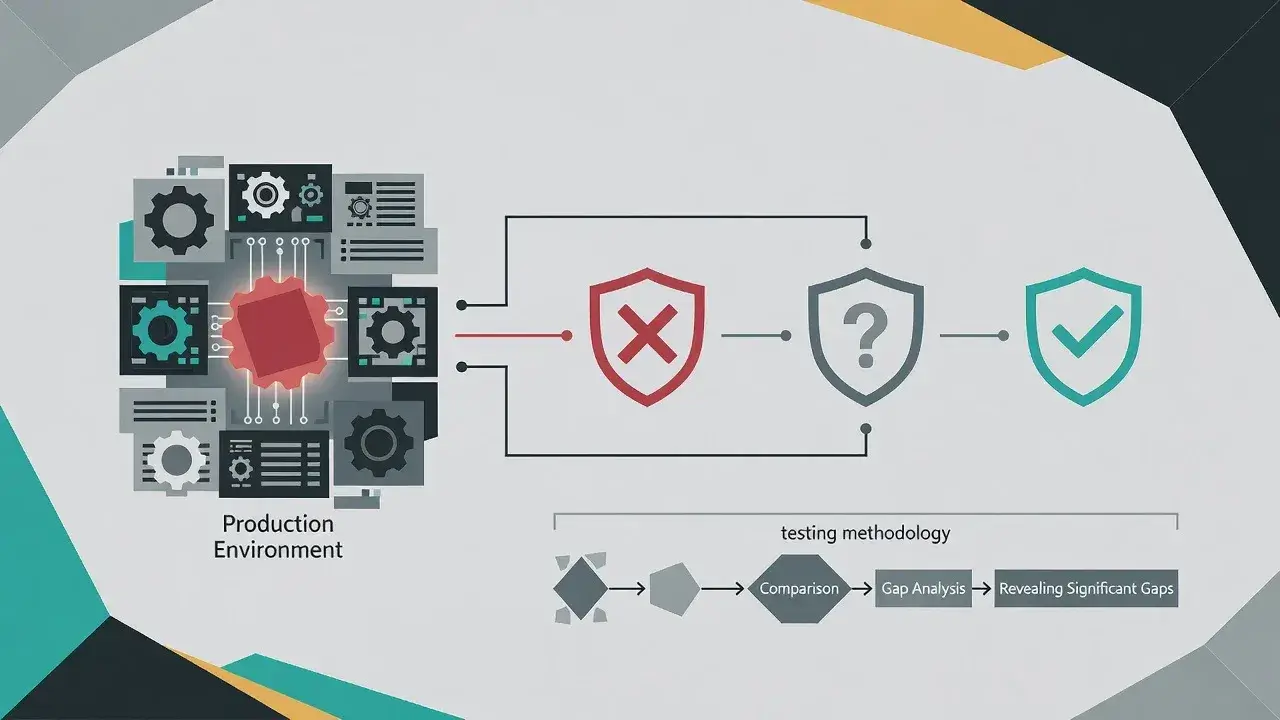
I designed this test to simulate real-world conditions rather than controlled lab environments. Using a Node.js application with multiple dependencies, I intentionally included a package containing CVE-2023-26136, a critical remote code execution vulnerability with a CVSS score of 9.8.
The testing environment mirrored typical development workflows. I integrated each tool into a CI/CD pipeline, ran scans against the same codebase, and documented detection rates, false positives, and reporting clarity. This approach ensured fair comparison across all three platforms.
Selection criteria for the tools
I chose three widely adopted solutions based on market presence and developer recommendations. Each tool promised comprehensive vulnerability detection and seamless integration with modern development stacks.
- Tool availability across different programming languages and frameworks
- Integration capabilities with popular CI/CD platforms
- Community reputation and user reviews from security professionals
- Pricing models accessible to small and medium-sized development teams
Tool one: The popular choice that missed the mark
The first scanner I tested enjoys widespread adoption among development teams. Despite its popularity and aggressive marketing claims, it completely failed to identify the critical CVE in my test application.
The scan completed in under two minutes and generated a clean report. No warnings, no alerts, nothing to indicate the presence of a vulnerability that could allow attackers to execute arbitrary code. The interface looked polished, but the underlying detection engine clearly had significant limitations.
Further investigation revealed the tool relies heavily on signature-based detection without deep dependency tree analysis. When vulnerabilities exist in transitive dependencies or less common package versions, this approach falls short.
Tool two: Partial detection with confusing results
The second scanner showed slightly better performance but still failed the critical test. It flagged several low-severity issues in other dependencies but missed the high-priority CVE entirely.
What went wrong with the detection
This tool scanned only direct dependencies by default. The critical vulnerability existed three levels deep in the dependency tree, requiring explicit configuration to enable recursive scanning.
- Default settings prioritized speed over thoroughness
- Documentation buried important configuration options
- The reporting interface highlighted minor issues while missing critical threats
Even after enabling deeper scanning options, the tool generated numerous false positives that would overwhelm most development teams, making it difficult to prioritize genuine security concerns.
Tool three: The winner that caught everything
The third scanner not only detected the critical CVE but provided actionable remediation guidance. Within seconds of completing the scan, it flagged CVE-2023-26136 with accurate severity ratings and clear upgrade paths.
This tool performed comprehensive dependency tree analysis automatically. It examined direct dependencies, transitive dependencies, and even flagged potential conflicts that could arise from suggested updates. The reporting dashboard presented information in priority order, making triage straightforward.
What set this scanner apart was its database update frequency and intelligent correlation between package versions and known vulnerabilities. Rather than relying solely on exact version matching, it analyzed behavioral patterns and code signatures to identify threats.
Why most scanning tools fail at detection
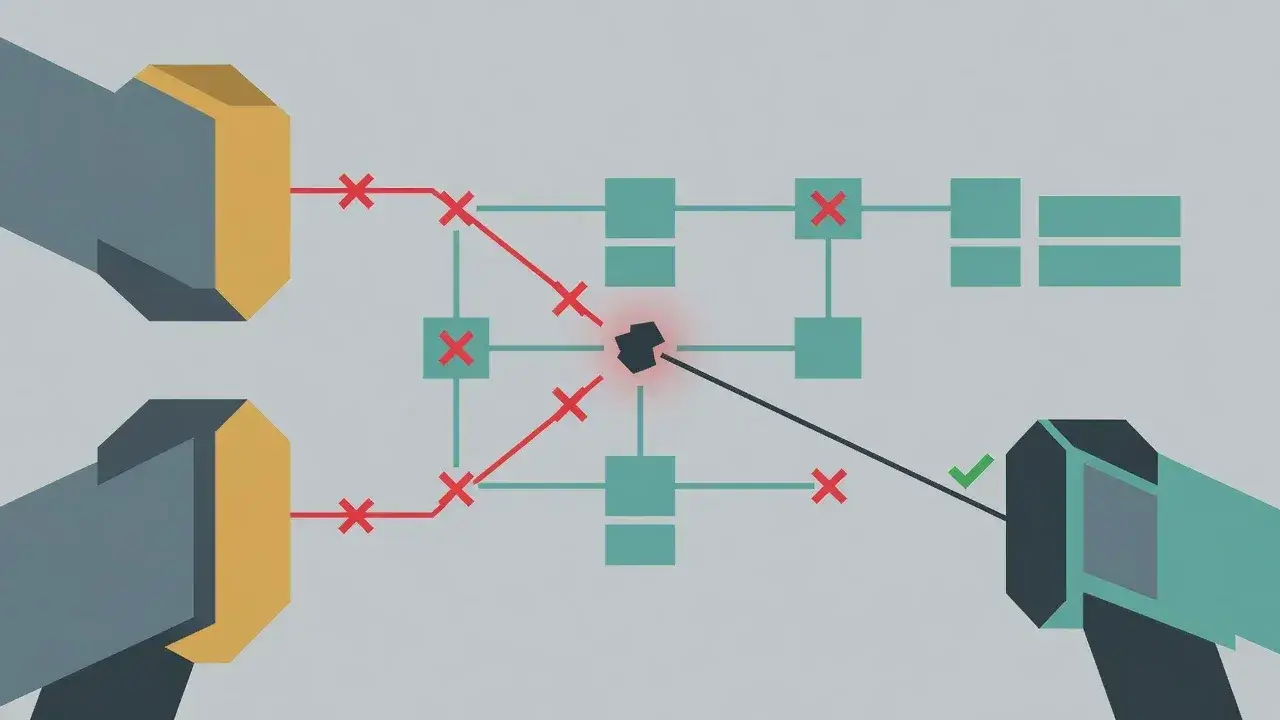
The testing revealed fundamental problems with how many security tools approach vulnerability scanning. Cost-cutting measures and simplified algorithms create dangerous blind spots.
Database coverage limitations
Many tools maintain incomplete vulnerability databases or update them infrequently. When new CVEs emerge, there's often a significant lag before scanning tools incorporate them into detection algorithms.
- Some vendors prioritize popular packages while neglecting niche dependencies
- Update cycles can lag behind official CVE publications by days or weeks
- Proprietary databases may miss vulnerabilities documented in specialized security feeds
Shallow dependency analysis
Scanning only surface-level dependencies ignores where many vulnerabilities actually hide. Modern applications often have dependency chains extending five or six levels deep, creating multiple points of potential compromise.
Tools that skip transitive dependency analysis essentially leave the door open for attackers. The critical CVE in my test would have been completely invisible to teams relying on these limited scanners.
Real-world implications for development teams
The consequences of inadequate scanning extend beyond technical concerns. Organizations face regulatory compliance issues, reputational damage, and potential legal liability when vulnerabilities slip through security checks.
Development teams operating under false security assumptions make risky decisions. When your scanning tool reports clean results while critical vulnerabilities lurk undetected, you're essentially operating without a safety net. This false confidence can be more dangerous than having no scanning tool at all.
Budget-conscious organizations often select scanning tools based on price rather than effectiveness. My testing demonstrates that the cheapest option can become the most expensive when it fails to prevent a security breach.
Practical recommendations for better security
Based on these findings, development teams should implement layered security approaches rather than relying on single scanning solutions.
Verification strategies
Run multiple scanning tools during different pipeline stages. While this increases overhead, the redundancy significantly improves detection rates for critical vulnerabilities.
- Combine automated scanning with periodic manual security audits
- Test your scanning tools against known vulnerabilities regularly
- Monitor security advisories independently rather than relying solely on tool alerts
- Maintain updated inventories of all direct and transitive dependencies
Invest time in properly configuring scanning tools. Default settings rarely provide adequate protection, and many powerful features remain hidden in documentation that few developers read thoroughly.
Choose your security tools wisely
My experience testing these three dependency scanning tools reinforced an important lesson about security tooling. Marketing claims and user popularity don't guarantee effective vulnerability detection. The only scanner that caught the critical CVE succeeded because it prioritized thorough analysis over speed and maintained comprehensive, frequently updated vulnerability databases. Development teams must validate their security tools through regular testing and maintain healthy skepticism about automated scanning results, recognizing that effective security requires both the right tools and the knowledge to use them properly.