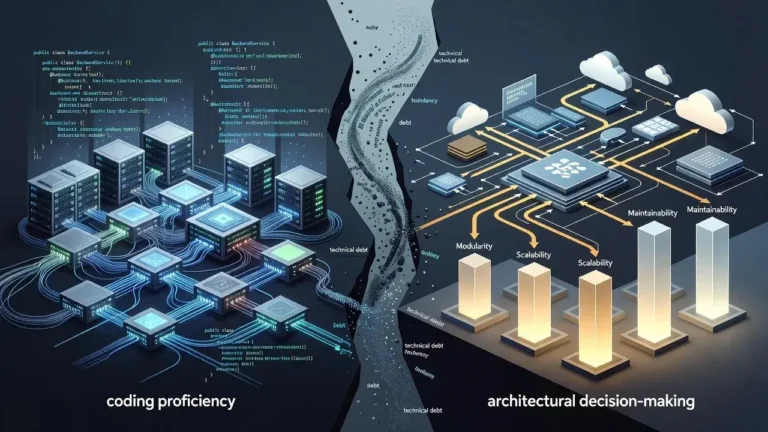
Spring Boot continues to lead backend development job postings in 2026 because it offers mature ecosystem stability, extensive enterprise adoption, comprehensive documentation, and seamless integration with existing Java infrastructure that newer frameworks cannot yet match at scale.
Spring Boot still dominates backend jobs in 2026 despite newer frameworks emerging with promises of better performance and modern architecture. While developers debate the merits of Go, Rust-based frameworks, and Node.js alternatives, hiring managers continue seeking Spring Boot expertise. This persistence reveals something deeper than simple market inertia.
The enterprise trust factor nobody talks about
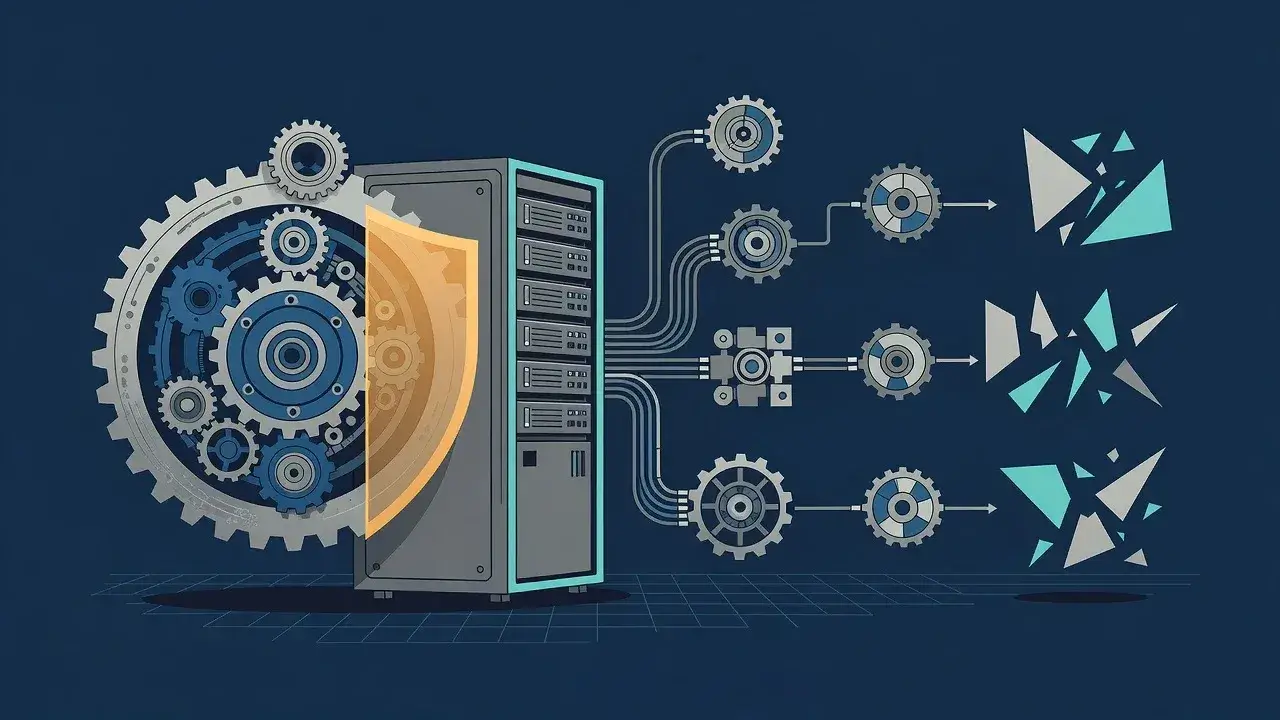
Large organizations don't adopt technology based on benchmarks alone. They evaluate risk, support availability, and long-term viability. Spring Boot delivers all three with proven track records spanning over a decade.
Why companies stick with proven technology
Businesses operating critical systems cannot afford experimental frameworks. Spring Boot provides production-grade features out of the box, including security configurations, monitoring tools, and database management that newer alternatives are still developing.
- Established security protocols with regular patches and updates
- Comprehensive audit trails required for compliance in regulated industries
- Predictable upgrade paths that minimize breaking changes
- Insurance through widespread community knowledge and troubleshooting resources
This reliability translates directly into hiring demand. Companies maintaining Spring Boot applications need developers who understand its ecosystem, creating a self-reinforcing cycle that newer frameworks struggle to break.
The talent pool advantage creates market momentum
Millions of developers worldwide know Spring Boot. This massive talent pool makes hiring faster and reduces training costs significantly compared to adopting frameworks with smaller communities.
Startups might experiment with cutting-edge technology, but mid-sized and large companies prioritize staffing efficiency. Finding five qualified Spring Boot developers takes weeks; finding five experts in a framework released two years ago can take months. This practical reality shapes technology decisions more than technical superiority.
Universities and coding bootcamps continue teaching Spring Boot because employers request it, perpetuating the cycle. New developers entering the market already possess foundational knowledge, making them productive faster than if they learned niche alternatives.
Integration capabilities that newer frameworks lack
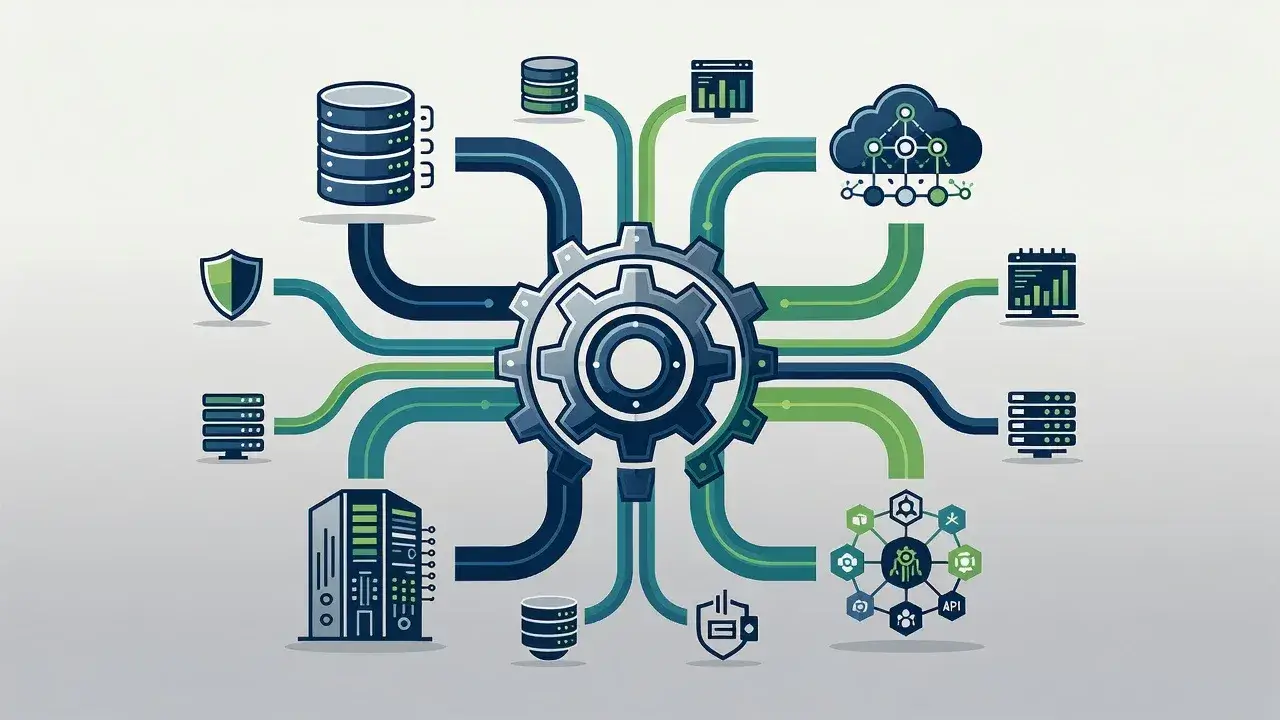
Modern applications rarely exist in isolation. They connect to legacy systems, third-party services, and complex infrastructure built over years.
Seamless connectivity with existing systems
Spring Boot's maturity means connectors, adapters, and libraries exist for virtually every database, messaging system, and enterprise service imaginable. Developers find pre-built solutions rather than writing custom integrations.
- Native support for Oracle, SAP, and other enterprise platforms
- Battle-tested libraries for payment processors and financial systems
- Proven integration patterns for microservices architectures
- Compatibility with containerization and cloud-native deployments
Newer frameworks promise cleaner architectures but often require custom development for enterprise integrations. This additional work negates their theoretical efficiency gains, making Spring Boot the pragmatic choice for complex business environments.
Documentation and learning resources create accessibility
Spring Boot benefits from thousands of tutorials, courses, books, and Stack Overflow answers accumulated over years. Developers encounter problems that others have already solved and documented extensively.
Emerging frameworks offer sparse documentation by comparison. Developers face longer debugging sessions and fewer community resources when problems arise. This friction increases development time and project risk, factors that hiring managers consider when choosing technology stacks.
The Spring ecosystem's investment in education pays dividends. Official guides cover common scenarios comprehensively, reducing the learning curve for new team members and accelerating project timelines.
Performance myths versus real-world requirements

Critics point to benchmarks showing newer frameworks handling more requests per second. These numbers matter less in practice than developers assume.
When raw speed doesn't determine success
Most applications never reach traffic levels where framework performance becomes the bottleneck. Database queries, external API calls, and business logic typically constrain speed long before the framework itself.
- Horizontal scaling solves most performance challenges more cost-effectively than framework switching
- Cloud infrastructure makes adding servers simpler than rewriting applications
- Optimization of existing code often yields better results than migration
Spring Boot's performance suffices for the vast majority of use cases. Companies prioritize developer productivity and maintainability over marginal speed improvements that users won't notice.
The microservices architecture fit
Spring Boot adapted successfully to microservices trends rather than being displaced by them. Spring Cloud provides tools specifically designed for distributed systems, giving organizations a clear migration path from monoliths.
This evolution demonstrates Spring's staying power. Rather than becoming obsolete, the framework incorporated modern architectural patterns while maintaining backward compatibility. Developers can modernize applications incrementally without complete rewrites.
Newer frameworks built specifically for microservices lack this migration flexibility. Companies with existing codebases find Spring Boot's evolutionary approach more practical than revolutionary alternatives requiring ground-up rebuilds.
The hidden cost of framework switching
Adopting new technology involves more than learning syntax. Teams must establish deployment pipelines, monitoring solutions, security practices, and operational procedures from scratch.
Spring Boot's maturity means these supporting systems already exist. DevOps teams know how to deploy, monitor, and troubleshoot Spring applications. Switching frameworks requires rebuilding this operational knowledge, a hidden cost that often exceeds the application development itself.
Risk-averse organizations recognize that working technology delivering business value outweighs theoretical improvements from unproven alternatives. This conservative but rational approach sustains Spring Boot's market dominance.
Pragmatism over hype
Spring Boot dominates backend jobs in 2026 because it solves real business problems reliably. While newer frameworks offer technical innovations, they cannot yet match Spring's comprehensive ecosystem, talent availability, and enterprise trust. Companies prioritize shipping products over adopting bleeding-edge technology, making Spring Boot the practical choice for most organizations. This dominance will likely continue until a newer framework achieves comparable maturity, community size, and proven reliability at scale.