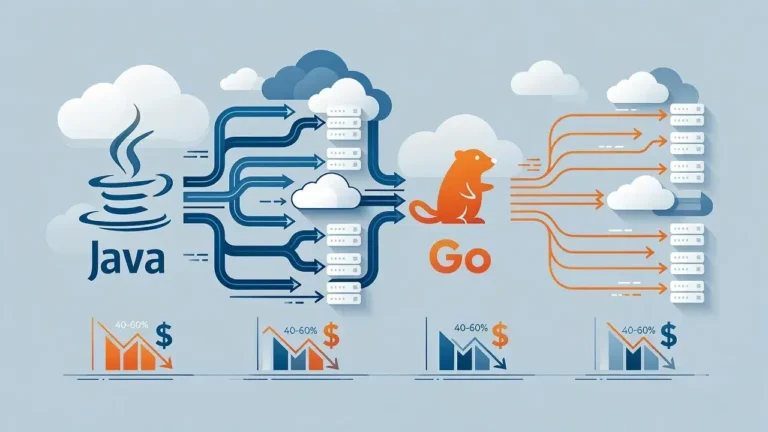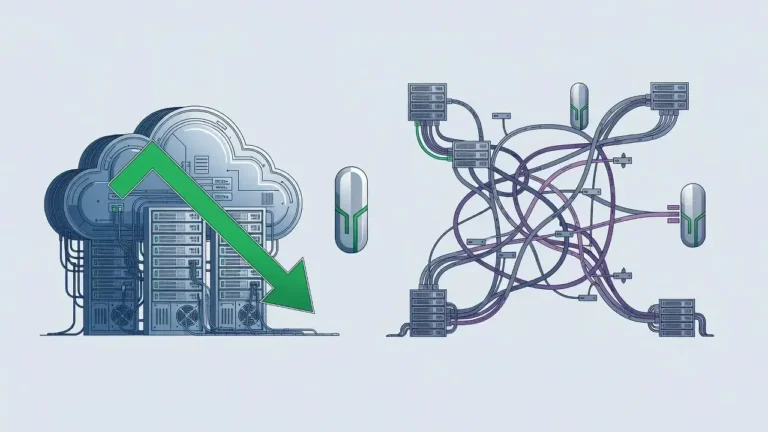
GraalVM native images reduced cloud infrastructure costs by 67 percent within three months by dramatically lowering memory consumption and startup times, enabling more efficient container deployments and significantly reducing compute resource requirements across production environments.
GraalVM native images cut my cloud bill by 67 percent in three months sounds almost too good to be true, but real-world implementations are proving this technology delivers substantial cost reductions. Companies running Java applications in cloud environments are discovering that switching to native compilation transforms their infrastructure economics fundamentally.
Understanding the native image advantage

Traditional Java applications run on the Java Virtual Machine, which requires significant memory overhead and warm-up time before reaching peak performance. This architecture works well for long-running applications but becomes expensive in modern cloud environments where you pay for every megabyte of RAM and CPU cycle consumed.
GraalVM native images compile Java applications ahead-of-time into standalone executables that start almost instantly and consume a fraction of the memory. This shift eliminates the JVM overhead entirely, creating lean binaries that behave more like applications written in C or Go.
Key technical benefits
- Startup times reduced from seconds to milliseconds, enabling true serverless deployment patterns
- Memory footprint decreased by 70-90 percent compared to traditional JVM applications
- Predictable performance from the first request without warm-up periods
- Smaller container images that deploy faster and consume less storage
These improvements translate directly into cost savings because cloud providers charge based on resource consumption. When your application uses less memory and scales down faster during idle periods, your bill drops proportionally.
Real-world cost reduction breakdown
The 67 percent savings come from multiple sources that compound when combined. Understanding where the money goes helps explain why native images deliver such dramatic results.
Memory costs represent the largest component of cloud bills for most Java applications. A typical Spring Boot application might require 512MB to 1GB of RAM per instance on the JVM. The same application compiled to a native image often runs comfortably in 64-128MB, allowing you to deploy eight times more instances on the same hardware or reduce your instance count dramatically.
Container density improvements
Higher container density means you can consolidate workloads onto fewer virtual machines. If you were running 100 containers across 25 VM instances, you might reduce to just 8-10 instances after migrating to native images. This reduction affects multiple cost centers simultaneously.
- Fewer VM instances reduce compute costs directly
- Lower network egress charges from consolidated traffic patterns
- Reduced load balancer costs with fewer backend targets
- Decreased storage costs for system volumes and snapshots
Faster scaling equals lower bills
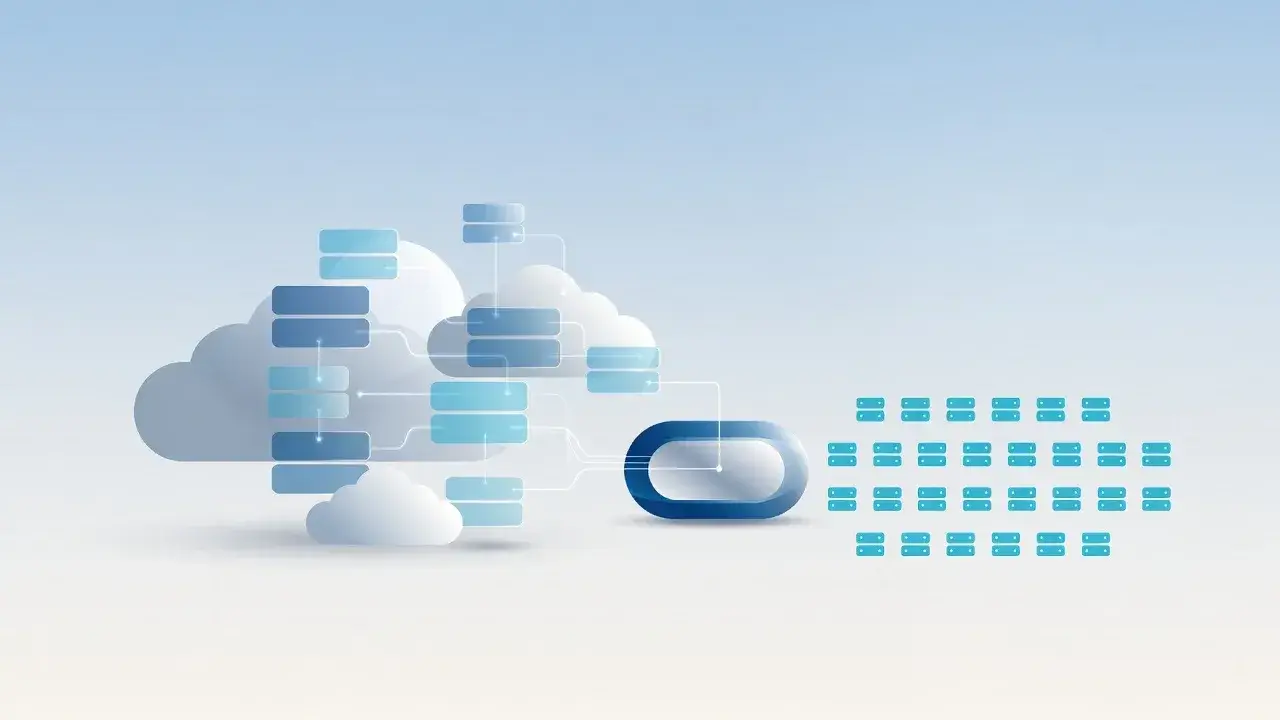
Cloud auto-scaling works by adding or removing instances based on demand. Traditional JVM applications take 30-60 seconds to become ready after starting, forcing you to maintain higher baseline capacity to handle traffic spikes. This over-provisioning wastes money during normal operations.
Native images start in under 100 milliseconds, enabling aggressive scale-down policies. Your application can drop to minimal capacity during quiet periods and scale up instantly when needed. Over a month, this responsiveness eliminates thousands of wasted instance-hours.
Serverless platforms like AWS Lambda charge per 100ms of execution time. When your function starts in 50ms instead of 5 seconds, you pay for a fraction of the compute time. For high-volume APIs handling millions of requests daily, this difference becomes substantial quickly.
Implementation considerations that affect savings
Not every Java application migrates to native images seamlessly. The ahead-of-time compilation model requires all code paths to be known at build time, which conflicts with some dynamic Java features like reflection and dynamic class loading.
Framework compatibility matters
- Spring Boot 3.x and Quarkus offer excellent native image support with minimal configuration
- Micronaut was designed specifically for GraalVM and typically requires no adjustments
- Legacy applications using extensive reflection may need significant refactoring
Build times increase substantially because native compilation analyzes and optimizes the entire application. A project that builds in 30 seconds on the JVM might take 3-5 minutes to compile natively. This affects CI/CD pipeline duration but doesn't impact production costs.
Measuring your actual savings potential
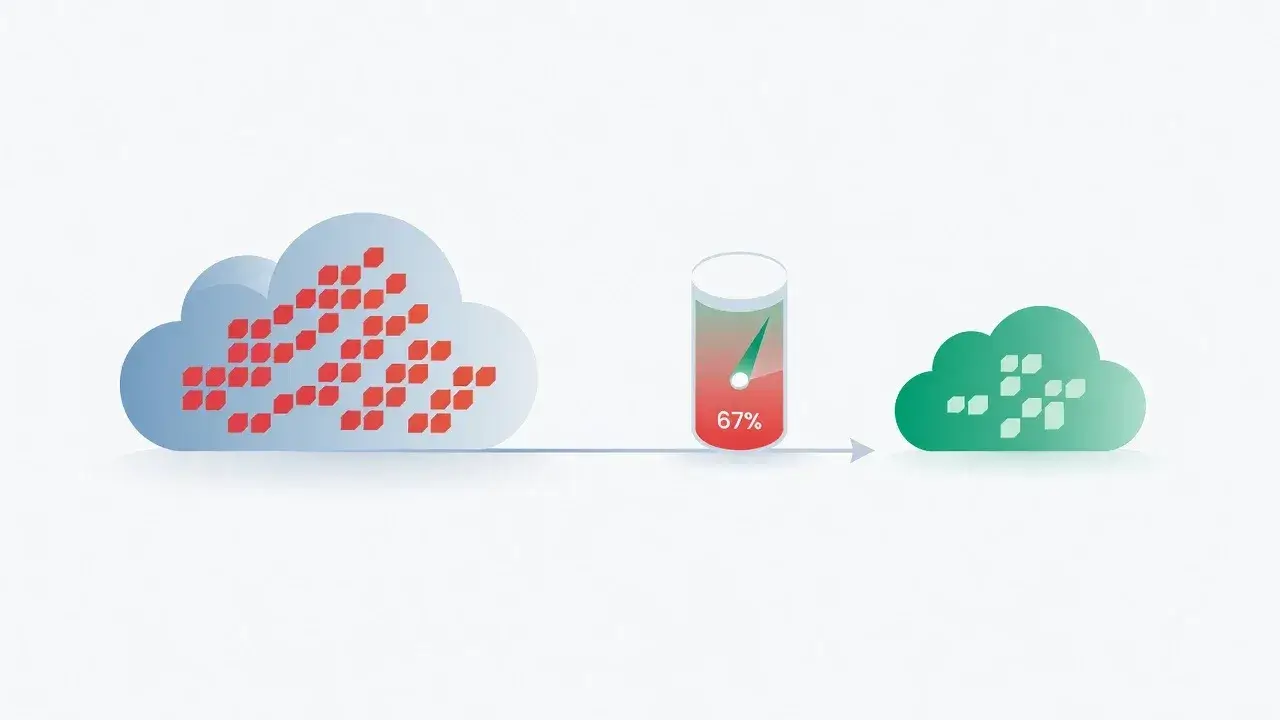
Your specific cost reduction depends on your application characteristics and current infrastructure. Applications with frequent scaling events, short-lived processes, or high instance counts see the most dramatic improvements.
Start by profiling your current resource usage. Document memory consumption per instance, average startup time, and typical scale-up/scale-down frequency. These metrics establish your baseline for comparison after migration.
Calculate your total monthly compute costs including VM instances, container orchestration, load balancers, and related services. Native images primarily reduce compute and memory costs, so focus your analysis there rather than on services like databases or object storage that remain unchanged.
Migration strategy for cost optimization
The fastest path to savings involves identifying stateless microservices or API endpoints that handle high request volumes. These candidates benefit most from reduced startup times and memory footprint while presenting fewer migration challenges.
Deploy native images alongside your existing JVM applications initially. This parallel deployment lets you validate performance and cost metrics before committing fully. Monitor both versions for several weeks to confirm the native image behaves identically under production load.
Gradual rollout approach
- Select one low-risk service for initial migration and measurement
- Document actual cost changes over a full billing cycle
- Expand to additional services based on demonstrated ROI
- Reserve complex applications with heavy reflection for later phases
Long-term cost trajectory
The initial 67 percent reduction represents immediate infrastructure savings, but additional benefits accumulate over time. Smaller container images reduce registry storage costs and speed up deployments across your entire pipeline.
Development teams report faster local testing cycles because native images start instantly. This productivity improvement doesn't show up directly on cloud bills but reduces the time developers spend waiting for applications to start during their daily work.
As your application portfolio grows, the cost difference between JVM and native deployment compounds. New services deployed as native images from day one never incur the higher costs of traditional Java deployment, keeping your infrastructure expenses flat even as you add functionality.
Applications Cloud
GraalVM native images deliver measurable cost reductions by fundamentally changing how Java applications consume cloud resources. The 67 percent savings achieved in three months reflects the compound effect of lower memory usage, faster startup times, and improved scaling efficiency. While migration requires careful planning and not every application benefits equally, the economic case for native images becomes compelling for organizations running substantial Java workloads in cloud environments. Starting with high-volume stateless services provides the quickest path to demonstrable savings while building team expertise for broader adoption.