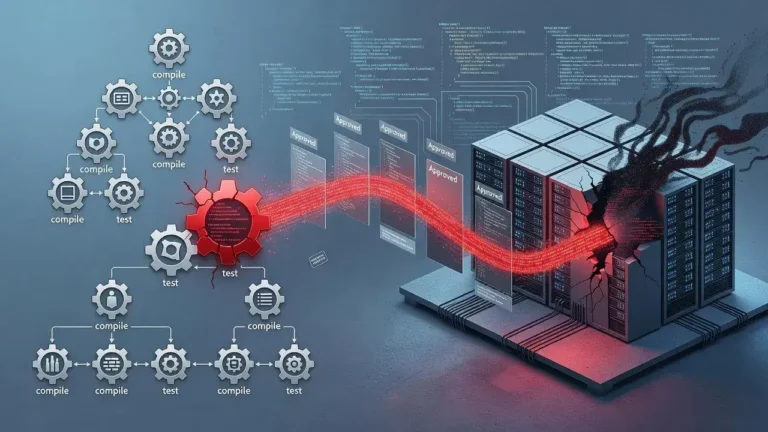
Java logging frameworks can inadvertently expose sensitive database credentials through verbose error messages and stack traces when misconfigured, creating critical security vulnerabilities that attackers actively exploit to gain unauthorized access to production systems.
Java logging frameworks can inadvertently expose database credentials when developers overlook security configurations during implementation. This common oversight affects thousands of applications running in production environments across Brasil and worldwide, putting sensitive data at risk. Understanding how this vulnerability manifests helps development teams prevent costly security breaches before they occur.
How logging frameworks leak sensitive information
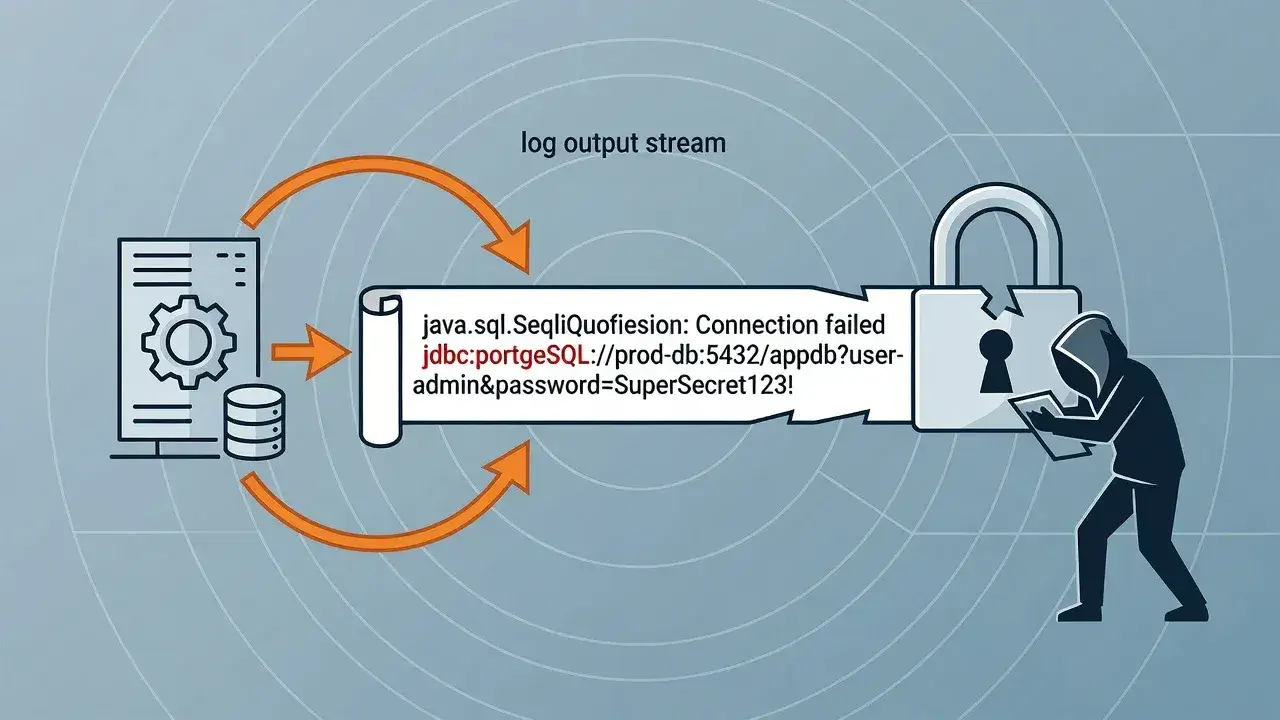
Many Java applications use popular logging frameworks like Log4j, Logback, and SLF4J to track application behavior and troubleshoot issues. These tools capture detailed information about system operations, including database connection attempts.
When exceptions occur during database operations, logging frameworks often capture the entire connection string or configuration object. This information gets written to log files that multiple team members can access, and in some cases, these logs end up in centralized logging systems with broader access permissions.
Common exposure scenarios
- Exception stack traces containing JDBC connection strings with embedded credentials
- Debug-level logging that prints configuration objects including passwords
- Connection pool initialization messages displaying full database URLs
- Error handlers that dump environment variables containing secrets
The problem intensifies when applications run with debug or trace logging levels in production environments. Development teams sometimes enable verbose logging to troubleshoot issues and forget to revert these settings, leaving sensitive information exposed indefinitely.
Real-world impact on Brazilian companies
Security researchers have documented numerous incidents where attackers gained database access through exposed log files. The impact extends beyond immediate data breaches to include regulatory compliance violations under LGPD (Lei Geral de Proteção de Dados).
Organizations face significant financial penalties when customer data gets compromised through preventable security gaps. Insurance companies, healthcare providers, and financial institutions operating in Brasil have particularly strict requirements around credential management and audit trails.
Attack vectors exploiting log exposure
Attackers use several methods to access exposed credentials in log files. Web application vulnerabilities like local file inclusion allow reading arbitrary files from the server filesystem. Misconfigured cloud storage buckets containing log archives provide another common entry point.
Supply chain attacks targeting logging aggregation services have also emerged. When centralized logging platforms get compromised, attackers gain access to credentials from multiple applications simultaneously, amplifying the damage potential.
Identifying vulnerable logging configurations
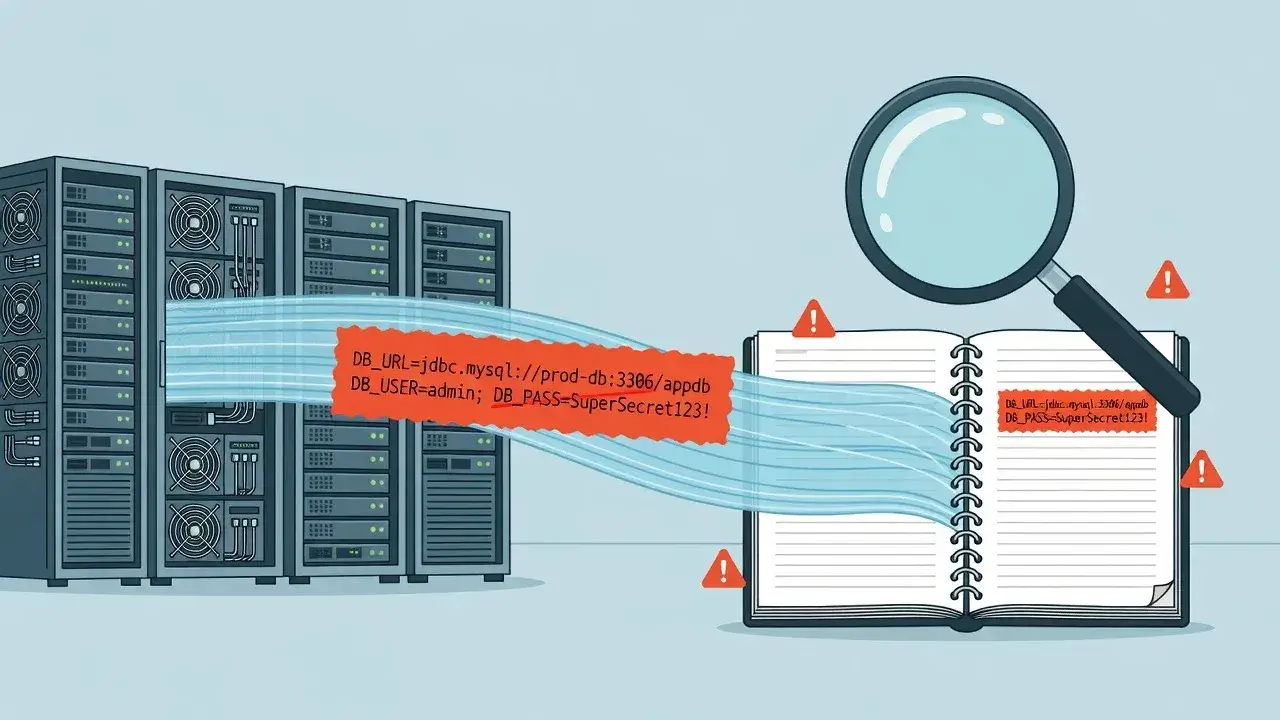
Development teams can audit their applications for potential credential exposure by reviewing logging configurations and testing exception handling paths.
Configuration audit checklist
- Review all logging level settings across environments
- Examine exception handlers for credential leakage
- Test database connection failures to observe logged information
- Analyze log file access permissions and rotation policies
Automated security scanning tools can detect common patterns indicating credential exposure. These tools analyze log output during testing phases and flag suspicious content before deployment to production.
Implementing secure logging practices
Preventing credential exposure requires deliberate configuration choices and code review practices. Teams should establish clear policies around what information gets logged at different severity levels.
Production environments should never run with debug or trace logging enabled by default. These verbose levels serve development and troubleshooting purposes but create unnecessary security risks in live systems. Implement dynamic logging controls that allow temporary elevation when needed without requiring application restarts.
Credential sanitization techniques
Modern logging frameworks support custom filters that sanitize sensitive information before writing to log files. These filters use pattern matching or field-level inspection to redact passwords, tokens, and other secrets.
Implement structured logging with explicit field definitions rather than logging entire objects. This approach gives developers precise control over what information gets captured and makes sanitization rules easier to maintain.
Framework-specific security configurations
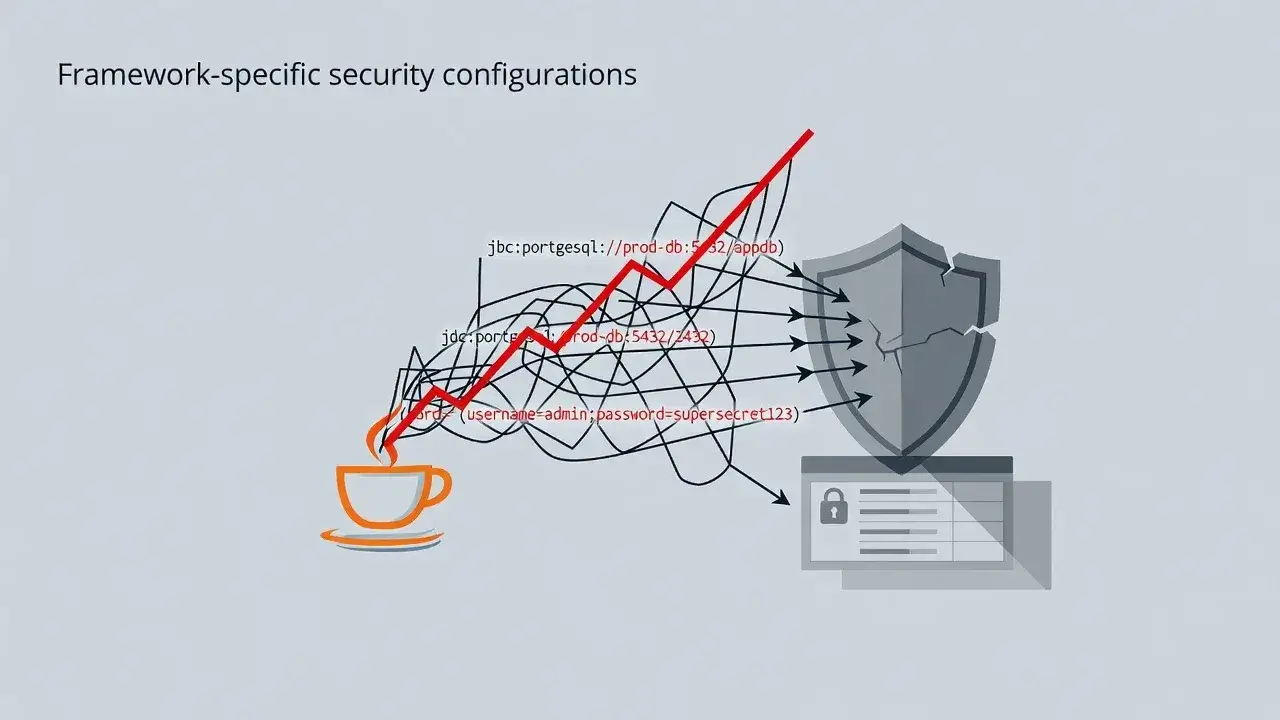
Each popular Java logging framework offers specific features for protecting sensitive information. Logback provides pattern layout options that mask credential fields automatically. Log4j2 includes lookup filters that prevent environment variable expansion in logged messages.
SLF4J implementations should configure underlying providers with appropriate security settings. Review vendor documentation for security-specific configuration options and implement recommended practices for production deployments.
Monitoring and incident response
Organizations should implement monitoring to detect potential credential exposure incidents. Automated scans of log files can identify patterns suggesting leaked secrets, triggering immediate investigation and remediation workflows.
Response procedures
- Rotate compromised credentials immediately upon detection
- Audit access logs to identify potential unauthorized usage
- Review and update logging configurations to prevent recurrence
- Document incidents for compliance reporting requirements
Establish clear escalation paths when security teams discover exposed credentials. Quick response minimizes the window of opportunity for attackers to exploit leaked information.
Protecting credentials
Protecting database credentials from logging framework exposure requires ongoing vigilance and proper configuration management. Development teams working on Java applications must prioritize secure logging practices as part of their security posture. Regular audits, automated scanning, and clear policies help prevent accidental credential leakage that could lead to serious security breaches and regulatory penalties under LGPD requirements in Brasil.