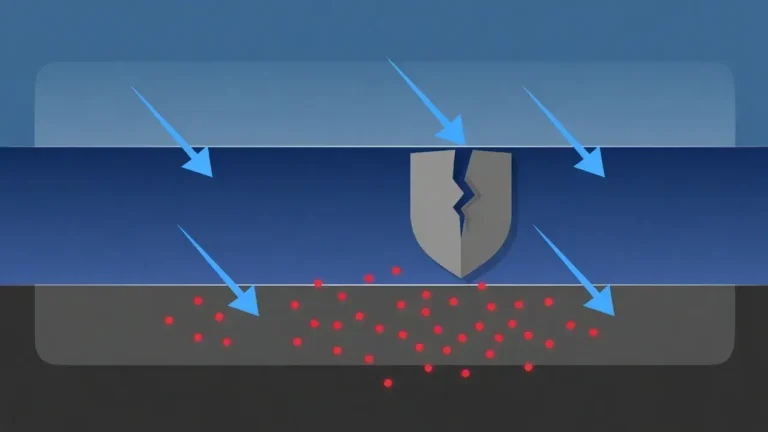
Most Java developers inadvertently expose their applications to security vulnerabilities by validating JWT tokens without properly verifying the signature algorithm, allowing attackers to forge tokens and bypass authentication mechanisms entirely.
The authentication mistake that 60% of Java developers make with JWT tokens stems from a fundamental misunderstanding of how token validation should work. Many developers focus on decoding the payload while neglecting the critical step of algorithm verification. This oversight creates a security gap that malicious actors can exploit with surprisingly simple techniques. Understanding this common pitfall can mean the difference between a secure application and a compromised system.
Why JWT signature validation matters more than you think

JWT tokens consist of three parts: header, payload, and signature. The signature ensures that nobody has tampered with the token after its creation. When developers skip proper signature validation, they essentially trust any token that looks structurally correct.
The security implications become clear when considering how attackers operate. They can modify the algorithm specified in the token header from a secure method like RS256 to "none," effectively removing signature requirements altogether. Without proper validation checks, the application accepts these manipulated tokens as legitimate.
The "none" algorithm vulnerability explained
This specific vulnerability represents one of the most dangerous authentication flaws in JWT implementation. The JWT specification includes an optional "none" algorithm for situations where signature validation isn't needed.
How attackers exploit this weakness
Malicious users can change the algorithm field in the token header to "none" and remove the signature portion. If the validation code doesn't explicitly reject this algorithm, the application treats the modified token as valid.
- Attackers decode the original JWT token structure
- They modify the header to specify algorithm "none"
- The payload gets altered to include elevated privileges
- The manipulated token bypasses authentication without a valid signature
This vulnerability exists because many JWT libraries accept the "none" algorithm by default for backward compatibility. Developers must explicitly configure their validation logic to reject unsigned tokens.
Common implementation mistakes in Java applications

Java developers often use popular libraries like JJWT, Auth0, or Nimbus JOSE+JWT for token handling. These libraries provide robust security features, but incorrect configuration undermines their protection.
Trusting the algorithm header blindly
Many implementations extract the algorithm from the token header and use it for validation. This approach allows attackers to dictate which algorithm the application should use for verification.
- Reading algorithm information directly from untrusted token headers
- Failing to specify expected algorithms in validation configuration
- Not implementing algorithm whitelisting in security policies
Secure implementations specify the expected algorithm explicitly in the validation code, never trusting the token header to provide this critical information. The application should enforce which algorithms it accepts regardless of what the token claims.
How to properly validate JWT tokens in Java
Correct JWT validation requires explicit configuration and strict algorithm enforcement. Developers need to specify exactly which algorithms their application accepts and reject everything else.
When using libraries like JJWT, configure the parser to expect specific algorithms. Set the signing key appropriately for your chosen algorithm, whether symmetric (HS256) or asymmetric (RS256). Never allow the token itself to determine the validation approach.
Essential validation steps
- Explicitly specify allowed signature algorithms in your parser configuration
- Verify the token signature before accessing any payload claims
- Validate token expiration and not-before timestamps
- Check issuer and audience claims match expected values
These steps create multiple layers of defense against token manipulation. Even if attackers bypass one check, others remain in place to catch suspicious tokens.
Testing your JWT implementation for vulnerabilities

Security testing should include specific scenarios that attempt to exploit common JWT weaknesses. Create test cases that try to use the "none" algorithm and verify your application rejects them.
Generate tokens with mismatched algorithms where the header claims one algorithm but the signature uses another. Your validation logic should detect and reject these inconsistencies. Automated security scanning tools can help identify these vulnerabilities during development.
Key security test scenarios
- Attempt authentication with "none" algorithm tokens
- Test tokens with modified signatures to ensure rejection
- Verify expired tokens cannot access protected resources
- Confirm algorithm switching attacks fail validation
Regular security audits of authentication code help catch implementation errors before they reach production. Consider using static analysis tools that specifically check for JWT validation patterns.
Best practices for secure JWT authentication
Beyond fixing the algorithm validation issue, developers should follow comprehensive security practices for JWT implementation. Use strong, randomly generated secrets for symmetric algorithms and properly manage key pairs for asymmetric approaches.
Keep tokens short-lived to limit the window of opportunity if one gets compromised. Implement token refresh mechanisms that allow users to obtain new tokens without re-authentication while maintaining security. Store tokens securely on the client side, preferably in httpOnly cookies rather than localStorage.
Monitor authentication logs for suspicious patterns like repeated validation failures or unusual token usage. These signals can indicate attempted attacks or compromised credentials requiring immediate response.
Moving forward with secure authentication
The JWT algorithm validation mistake affects a majority of Java developers because it's easy to overlook during initial implementation. Security often takes a backseat to functionality during rapid development cycles. However, fixing this vulnerability requires minimal code changes while dramatically improving application security.
Review your existing JWT implementations with fresh eyes focused specifically on algorithm validation. Update libraries to recent versions that default to secure configurations. Document your authentication security requirements clearly so all team members understand the critical importance of proper token validation.