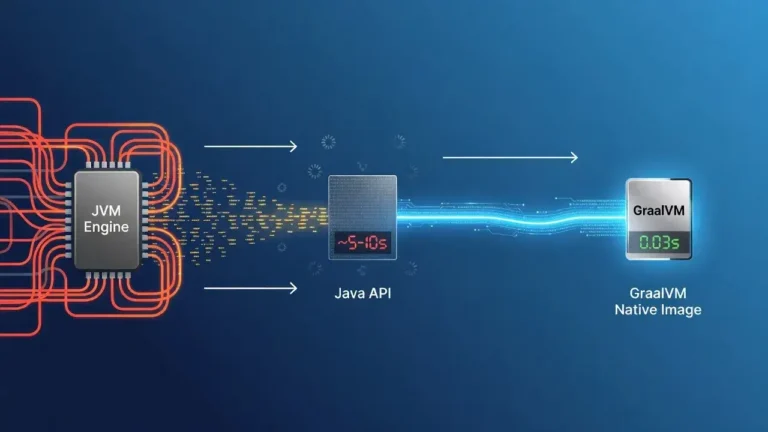
Many Java tutorials still teach servlet initialization using the init() method with parameters that modern frameworks handle automatically, creating confusion about practices that experienced developers rarely implement manually in production environments.
The servlet mistake that still haunts Java tutorials but never happens in real code revolves around outdated initialization patterns that textbooks perpetuate. If you've ever wondered why tutorial code looks nothing like what your team ships to production, you're not alone in noticing this disconnect.
Why tutorials cling to manual servlet configuration
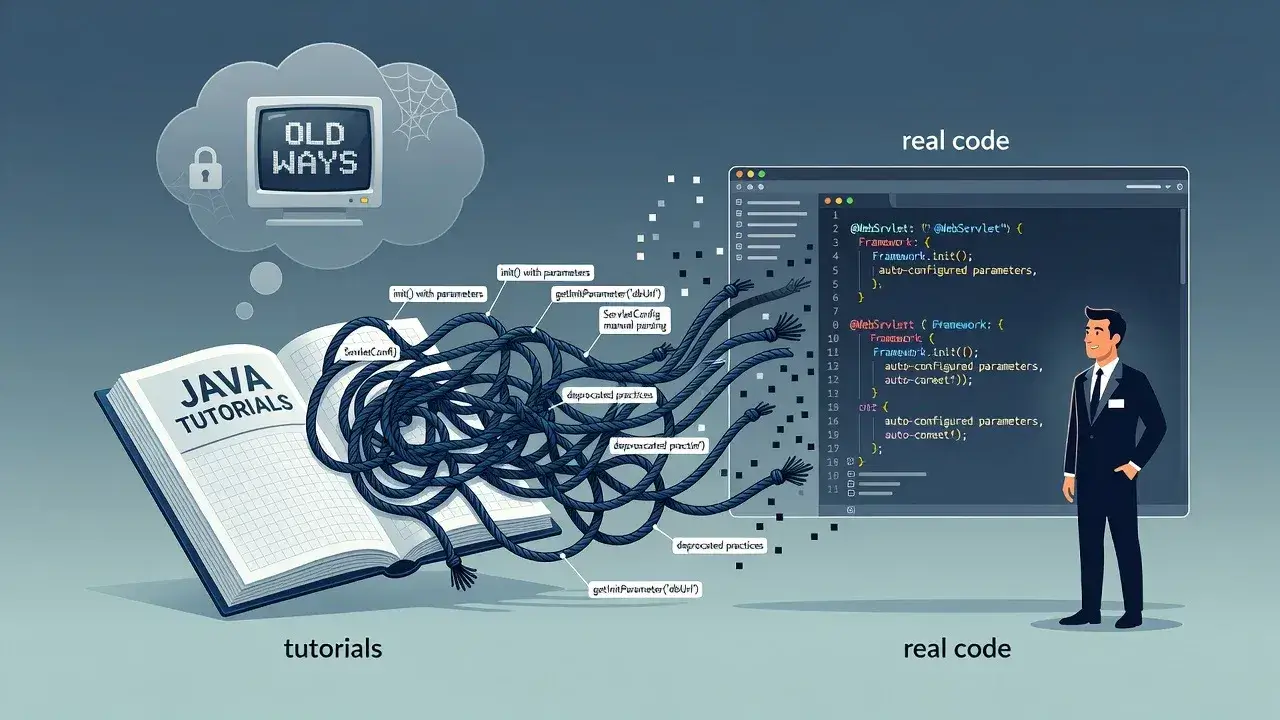
Educational materials often emphasize low-level servlet lifecycle methods to teach foundational concepts. The problem emerges when learners assume these patterns represent current industry standards.
Textbooks typically showcase ServletConfig parameters, manual context initialization, and explicit lifecycle management. These examples serve pedagogical purposes but rarely reflect how teams structure applications today.
The historical context behind the pattern
Before Spring Boot and modern frameworks dominated the landscape, developers manually configured servlets in web.xml files. This approach required explicit init-param declarations and programmatic access through getServletConfig().
- Manual parameter retrieval from ServletConfig objects
- Explicit lifecycle method overrides for initialization logic
- Direct manipulation of ServletContext for application-wide settings
- Custom threading models without framework abstractions
These techniques made sense in J2EE 1.4 environments, but frameworks have since abstracted away most of this complexity. The gap between tutorial content and production code widened as dependency injection became standard practice.
What actually happens in modern codebases
Contemporary Java applications leverage frameworks that handle servlet lifecycle management behind the scenes. Developers interact with higher-level abstractions rather than raw servlet APIs.
Spring Boot applications, for instance, use embedded servlet containers with auto-configuration. The framework manages initialization, parameter injection, and context setup without requiring explicit servlet declarations.
Configuration through annotations and properties
Modern approaches favor declarative configuration over programmatic setup. Teams define behavior through annotations like @Configuration and external property files.
- Application properties replace init-param declarations
- Dependency injection handles resource initialization
- Framework lifecycle hooks replace manual init() overrides
- Auto-configuration eliminates boilerplate servlet registration
This shift means developers rarely write code that directly implements HttpServlet or overrides lifecycle methods. The patterns tutorials emphasize simply don't appear in pull requests.
The confusion this creates for learners
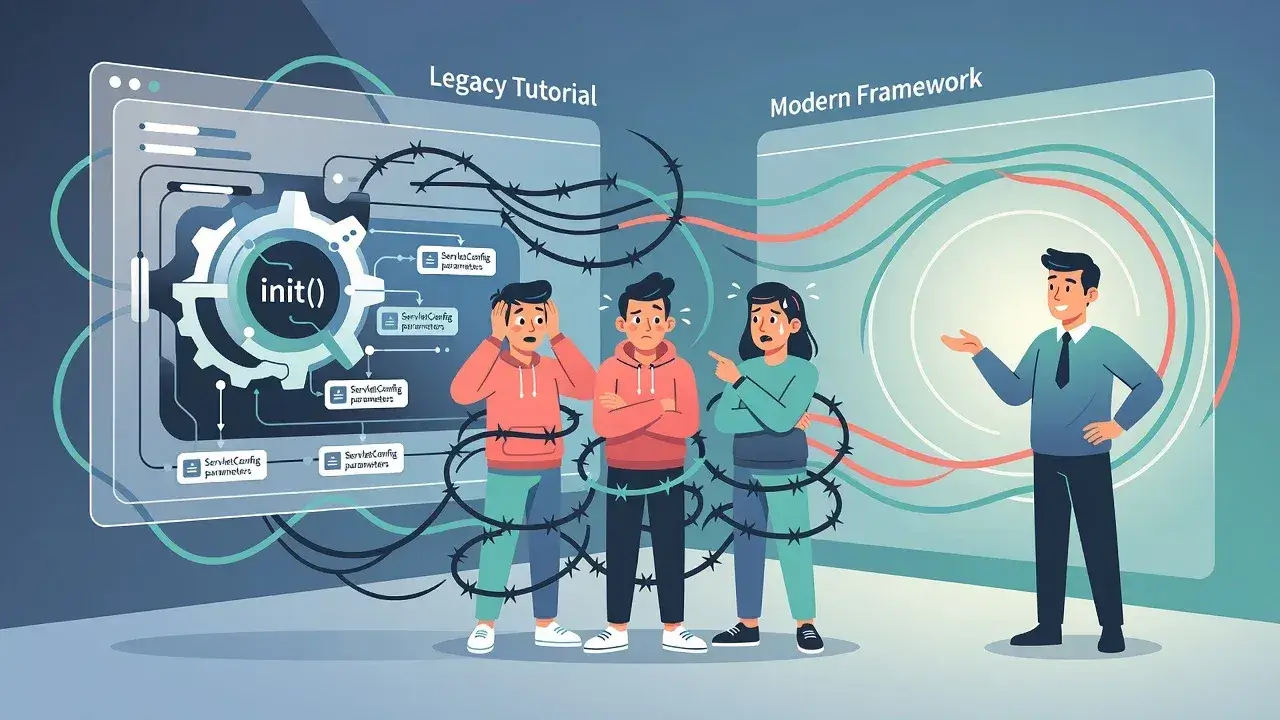
Students who master tutorial patterns often struggle when joining development teams. The cognitive dissonance between learned techniques and actual practices can slow onboarding.
Junior developers might attempt to apply manual servlet configuration in Spring Boot projects, not realizing the framework already handles these concerns. Code reviews then become teaching moments about framework conventions.
Bridging the knowledge gap
Understanding why tutorials teach certain patterns helps learners contextualize the information. Recognizing that low-level APIs exist beneath framework abstractions provides valuable perspective.
The key lies in distinguishing between foundational knowledge and current best practices. Knowing how servlets work internally helps when debugging framework behavior, even if you never write servlet code directly.
When you might actually need manual servlet code
Certain scenarios still warrant direct servlet implementation, though they represent edge cases rather than standard practice.
Legacy system maintenance occasionally requires working with pre-framework codebases. Teams supporting older applications encounter the patterns tutorials teach, making that knowledge relevant in specific contexts.
- Maintaining applications built before modern frameworks existed
- Integrating with systems that don't support dependency injection
- Optimizing performance in resource-constrained environments
- Building custom framework components that extend servlet behavior
These situations remain uncommon enough that most developers complete entire careers without manually configuring servlets in production code.
How frameworks actually handle servlet initialization
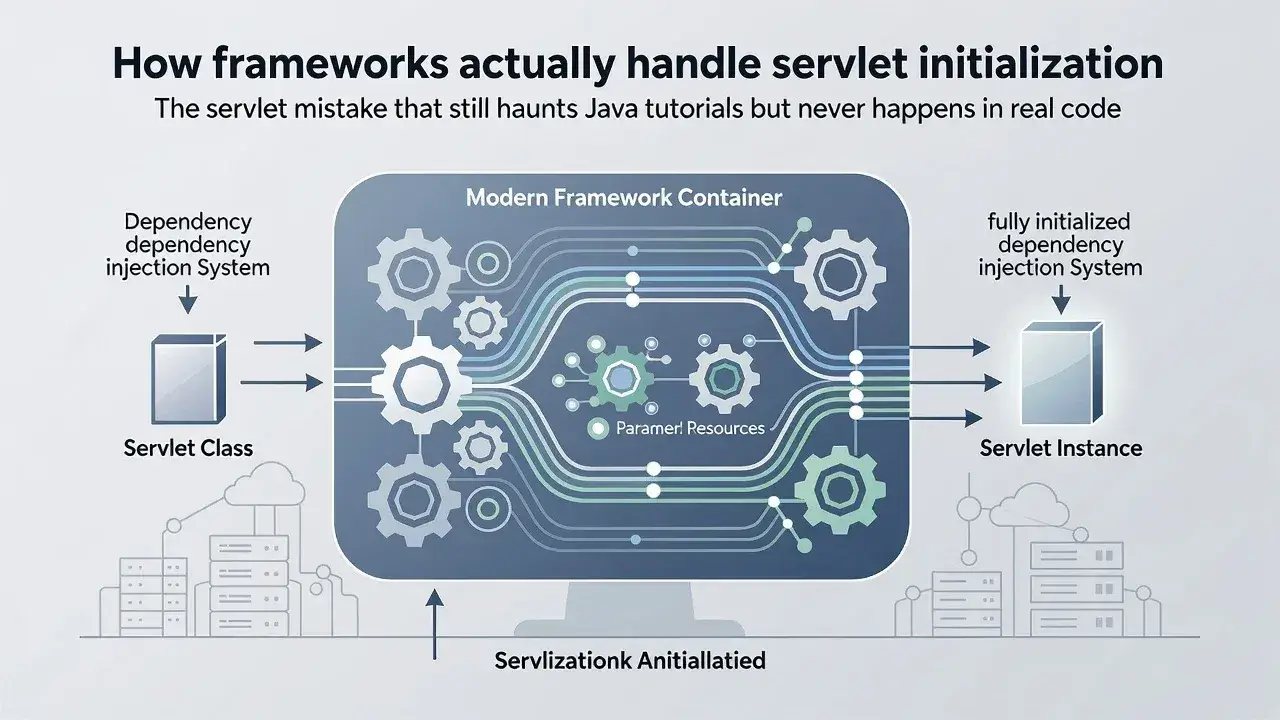
Spring Boot and similar frameworks register servlets programmatically during application startup. The process happens transparently, with sensible defaults that work for most use cases.
The framework scans for components, creates servlet instances, and registers them with the embedded container. Configuration comes from application properties and annotation metadata rather than XML files or init() methods.
The role of ServletContainerInitializer
Modern servlet containers use the ServletContainerInitializer interface to enable programmatic configuration. Frameworks implement this interface to register components without requiring web.xml entries.
This mechanism allows Spring Boot to configure DispatcherServlet and other components automatically. Developers benefit from convention over configuration without sacrificing flexibility when customization becomes necessary.
Updating your mental model for production work
Transitioning from tutorial patterns to production practices requires recognizing which concepts remain relevant and which represent historical artifacts.
Focus on understanding framework conventions, dependency injection principles, and declarative configuration approaches. These skills translate directly to professional development environments.
When encountering tutorial code that seems disconnected from real projects, consider it foundational knowledge rather than a blueprint for application architecture. The underlying servlet API still exists, but frameworks provide better ways to accomplish the same goals.
Moving forward with practical knowledge
The servlet patterns that dominate tutorials served an important purpose in Java's evolution but represent a specific historical moment rather than current best practices. Understanding this distinction helps developers focus learning efforts on skills that translate to professional environments.
Modern frameworks abstract servlet complexity while preserving the underlying power of the servlet API. This abstraction allows teams to build robust applications without managing low-level lifecycle details manually. Recognizing when tutorials teach foundational concepts versus current practices accelerates the journey from student to productive team member.