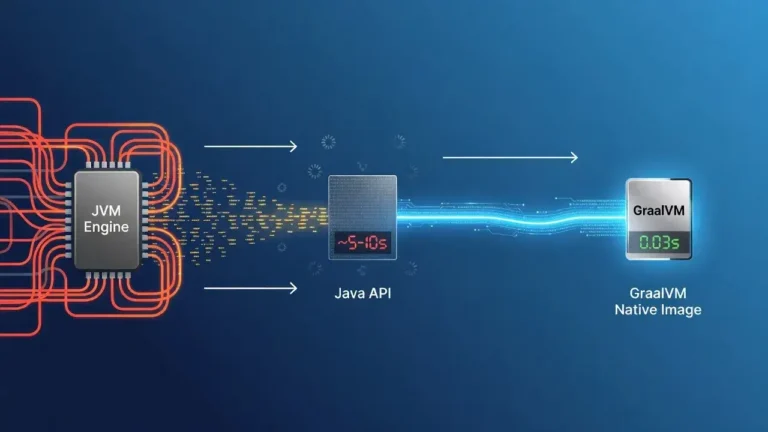
Companies building Java web applications in 2026 prioritize modular architectures, cloud-native patterns, and microservices while maintaining pragmatic monoliths where appropriate, focusing on scalability, maintainability, and team productivity rather than chasing technological trends.
What companies building Java web apps in 2026 get right about architecture reveals a shift from dogmatic approaches to practical solutions. Organizations now understand that architectural decisions must align with business goals, team capabilities, and operational realities. This pragmatic mindset has transformed how development teams structure their applications, moving beyond the hype cycles that dominated previous years.
Embracing modular monoliths before microservices
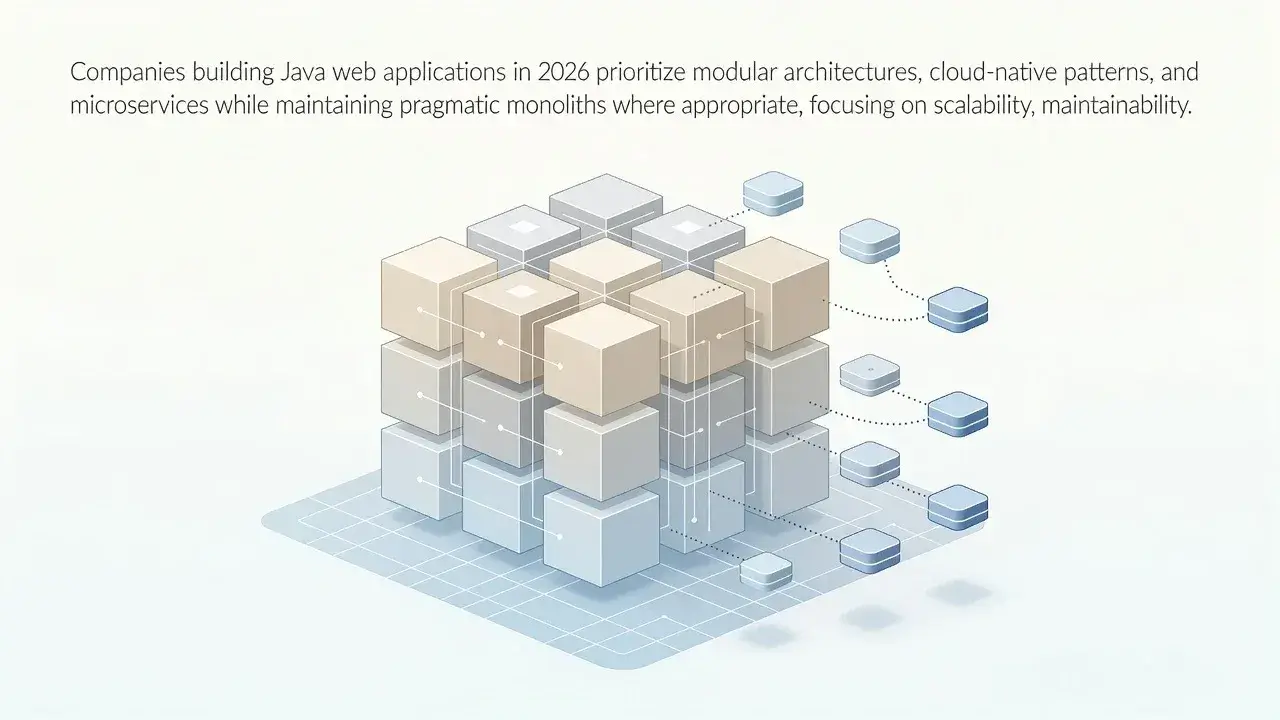
Leading companies recognize that starting with a well-structured monolith offers significant advantages. This approach allows teams to establish clear boundaries and understand domain complexities before committing to distributed systems.
Strategic modularization practices
Teams implement package-by-feature organization and maintain strict dependency rules within their codebases. This structure prepares applications for potential future decomposition while avoiding premature distribution costs.
- Domain-driven design principles guide module boundaries
- Clear interfaces between modules prevent tight coupling
- Shared kernel patterns minimize code duplication
- Testing strategies validate module independence
Organizations that adopt modular monoliths first reduce operational complexity while maintaining development velocity. This foundation proves invaluable when business requirements eventually justify transitioning specific modules into independent services.
Cloud-native patterns with Java frameworks
Modern Java applications leverage cloud-native capabilities without abandoning the ecosystem's strengths. Companies successfully combine Spring Boot, Quarkus, or Micronaut with containerization and orchestration platforms.
These frameworks provide built-in support for health checks, metrics, and configuration management that align with Kubernetes expectations. Development teams appreciate the reduced boilerplate and improved startup times that newer framework versions deliver.
The integration between Java applications and cloud infrastructure has matured significantly. Developers now implement circuit breakers, service discovery, and distributed tracing as standard features rather than complex add-ons.
API-first design and contract testing
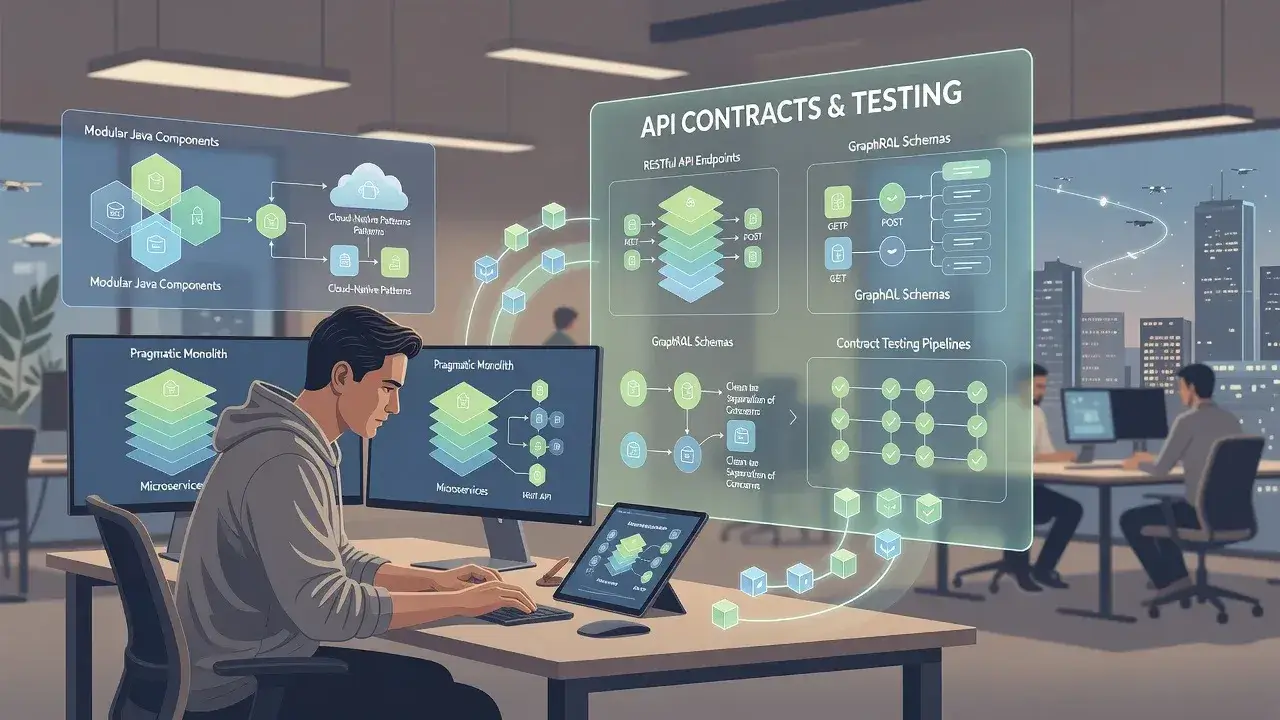
Successful organizations prioritize API design before implementation. This approach ensures consistency across services and enables parallel development across multiple teams.
Contract-driven development benefits
- OpenAPI specifications serve as single source of truth
- Consumer-driven contracts validate service interactions
- Automated testing catches breaking changes early
- Documentation stays synchronized with implementation
Teams use tools like Pact or Spring Cloud Contract to verify that services maintain their agreements. This practice dramatically reduces integration issues and builds confidence in continuous deployment pipelines.
Event-driven architectures for scalability
Companies building resilient systems incorporate event streaming platforms like Apache Kafka or cloud-native alternatives. This architectural pattern decouples services and enables asynchronous communication.
Event sourcing and CQRS patterns appear in domains requiring audit trails or complex business logic. Teams carefully evaluate where these patterns add value versus introducing unnecessary complexity.
The combination of synchronous APIs for queries and asynchronous events for state changes provides optimal balance. This hybrid approach addresses different use cases with appropriate communication patterns.
Observability as architectural requirement
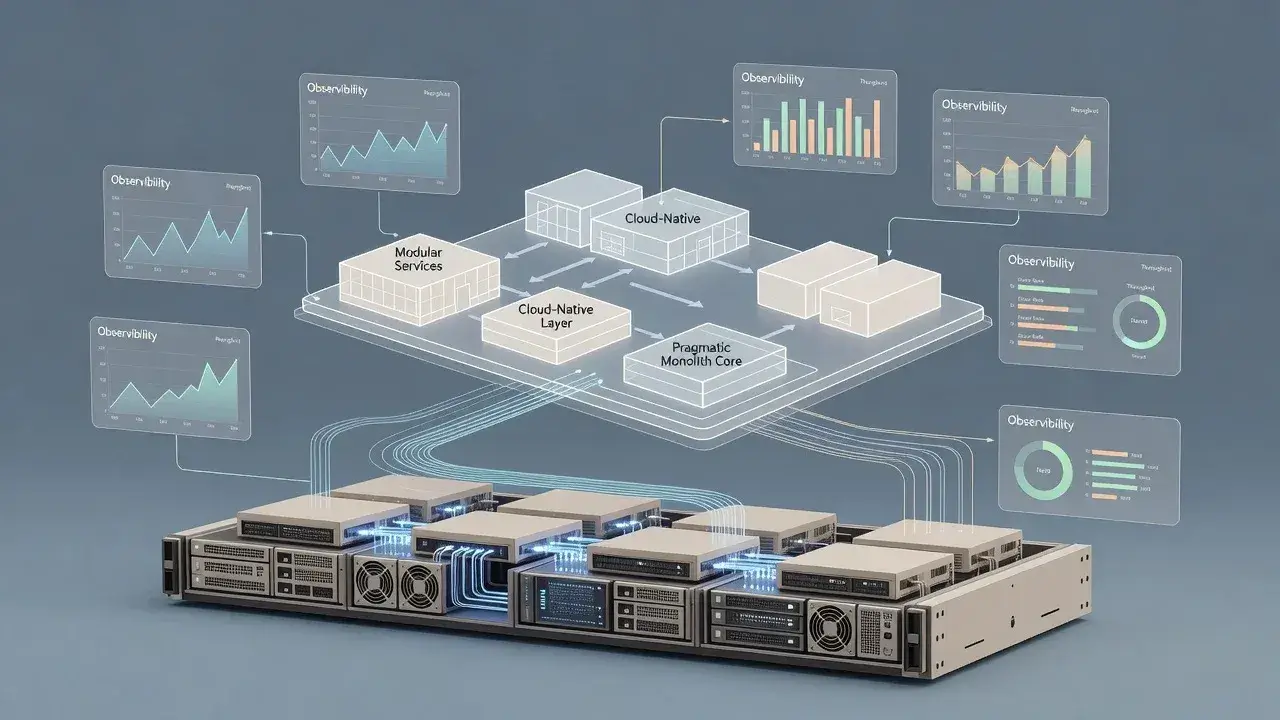
Modern architectures treat observability as a first-class concern rather than an afterthought. Companies implement structured logging, distributed tracing, and comprehensive metrics from project inception.
Essential observability components
Teams standardize on tools like OpenTelemetry for instrumentation, ensuring vendor neutrality and consistent data collection across services.
- Correlation IDs track requests across service boundaries
- Business metrics complement technical measurements
- Alert thresholds reflect actual user impact
This observability foundation enables teams to understand system behavior in production and diagnose issues quickly. The investment in proper instrumentation pays dividends when troubleshooting complex distributed scenarios.
Security integrated throughout architecture
Security considerations influence architectural decisions from the beginning. Companies implement zero-trust principles, assuming breach scenarios and limiting blast radius.
Authentication and authorization strategies use industry standards like OAuth 2.0 and OpenID Connect. Service-to-service communication employs mutual TLS or service mesh capabilities for encryption and identity verification.
Teams conduct threat modeling sessions during design phases, identifying potential vulnerabilities before code exists. This proactive approach reduces security debt and compliance risks.
Database strategies for modern applications
Organizations move beyond single-database architectures, selecting data stores based on specific use case requirements. Polyglot persistence becomes standard practice for complex applications.
Companies maintain consistency through saga patterns or distributed transaction coordinators when necessary. Most teams prefer eventual consistency models that align with business realities and reduce coupling.
Database per service patterns enable independent scaling and technology choices. Teams carefully manage data ownership boundaries to prevent distributed data integrity issues.
Conclusion: pragmatic architecture wins
Companies succeeding with Java web applications in 2026 demonstrate that architectural excellence comes from understanding context rather than following trends. They balance innovation with proven practices, selecting patterns that serve business objectives while maintaining team productivity. This pragmatic approach, combined with strong technical foundations, positions organizations for sustainable growth and adaptation.