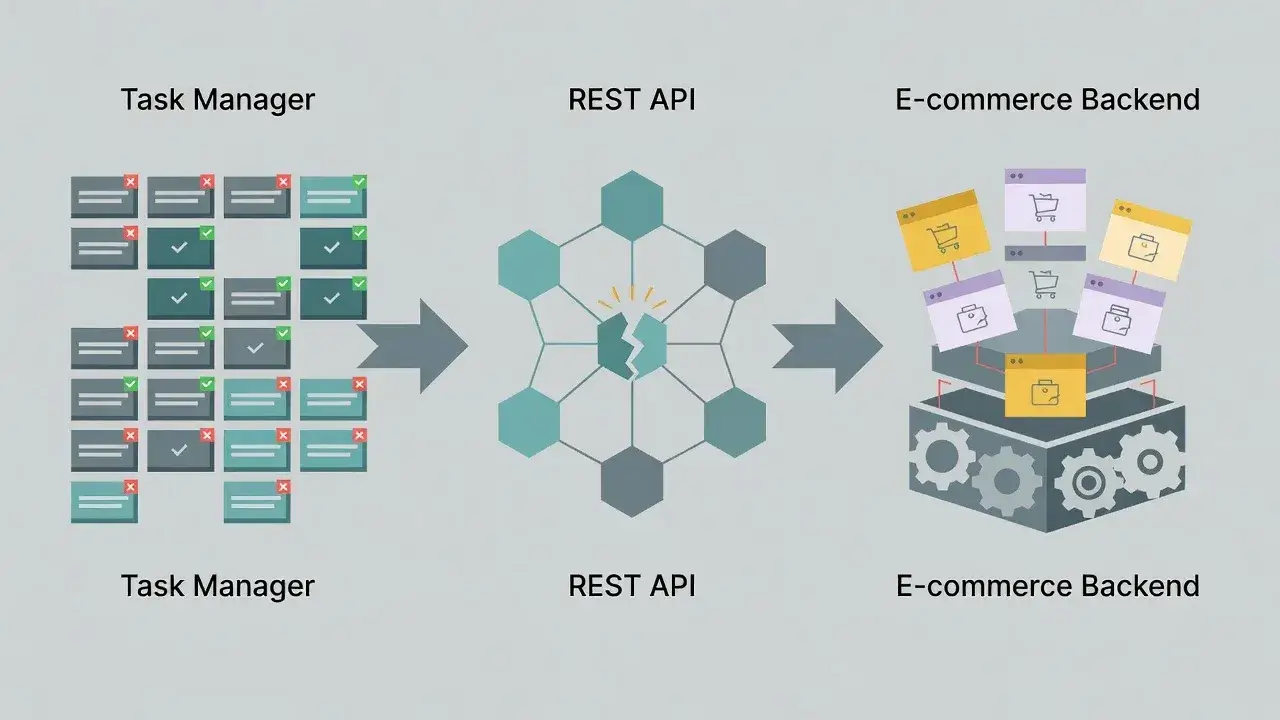
Building a task manager, developing a REST API, and creating a simple e-commerce backend are three hands-on projects that accelerate Java learning by forcing you to solve real problems, debug errors, and understand how frameworks actually work in production environments.
3 real projects that teach Java faster than any tutorial ever will because they push you beyond passive watching and reading into active problem-solving. Tutorials teach syntax, but projects teach thinking. When you're stuck debugging a NullPointerException at 2 AM, you learn more than any video course could ever show you.
Why projects beat tutorials every single time
Tutorials create the illusion of progress. You follow along, copy code, see it work, and feel accomplished. Then you open a blank IDE and freeze. Projects flip this script entirely.
When you build something real, you encounter problems tutorials never mention. You learn to read documentation, search Stack Overflow effectively, and understand error messages. These skills matter more than memorizing syntax.
The learning curve difference
Tutorials follow a linear path designed to avoid confusion. Projects throw you into the deep end where confusion is the teacher. Your brain retains information better when it struggles to find solutions.
- Tutorials teach what to do in ideal scenarios
- Projects show you what breaks in real situations
- Debugging forces deeper understanding than any explanation
- Building features requires connecting multiple concepts simultaneously
The frustration you feel when something doesn't work is actually your brain forming stronger neural pathways. This is where actual learning happens, not during smooth tutorial playback.
Project one: Build a command-line task manager
A task manager seems simple until you start building one. This project teaches fundamental Java concepts through practical application rather than abstract examples.
Core features to implement
Start with basic CRUD operations: create tasks, read task lists, update task status, and delete completed items. Use ArrayList to store tasks and learn how collections work in real scenarios.
- File I/O for saving tasks between sessions
- Date handling with LocalDateTime for due dates
- Exception handling when files are missing or corrupted
- Input validation to prevent crashes from bad user data
This project forces you to think about data persistence, user input validation, and program flow control. You'll learn why try-catch blocks matter when your program crashes from unexpected input.
Project two: Create a REST API with Spring Boot
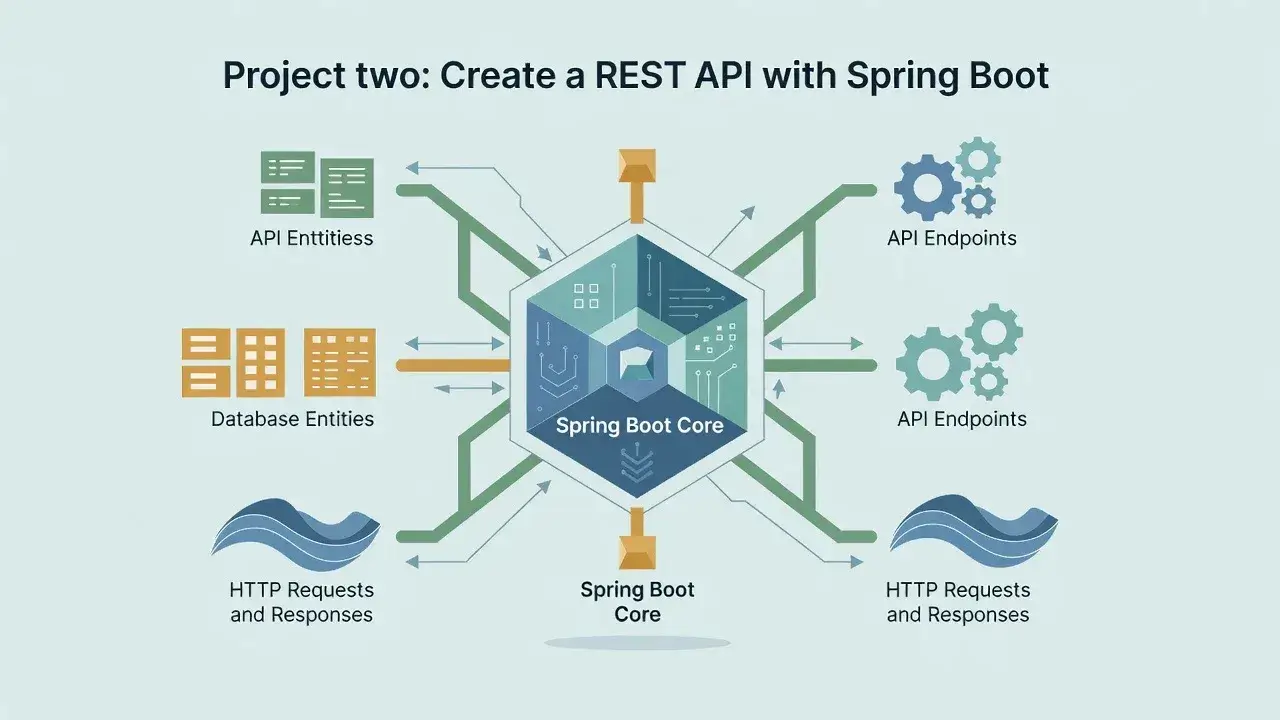
REST APIs power modern web applications, and building one teaches you how backend systems actually work. Spring Boot removes configuration headaches so you can focus on logic.
Start with a simple blog API that handles posts and comments. You'll learn HTTP methods, status codes, and how data flows between client and server. The framework handles routing while you focus on business logic.
Essential endpoints to build
- GET requests to retrieve all posts or single posts by ID
- POST requests to create new content with JSON payloads
- PUT requests for updating existing posts
- DELETE operations with proper error responses
Testing your API with Postman or curl teaches you how frontend developers will interact with your code. You start thinking about edge cases, validation, and meaningful error messages.
Project three: Develop a simple e-commerce backend
E-commerce backends combine everything you've learned into one challenging project. You'll work with databases, authentication, business logic, and complex object relationships.
Build a system that manages products, shopping carts, and orders. Use Spring Data JPA to interact with a PostgreSQL or MySQL database. This teaches you how object-relational mapping works and why it matters.
Key components to implement
Product catalog management requires CRUD operations with image URLs and inventory tracking. Shopping cart functionality teaches you about session management and state persistence across requests.
- User authentication with Spring Security basics
- Order processing with transaction management
- Inventory updates that prevent overselling
- Price calculations with proper decimal handling
This project reveals why financial calculations use BigDecimal instead of double, how transactions prevent data corruption, and why validation matters at every layer of your application.
How to approach these projects effectively
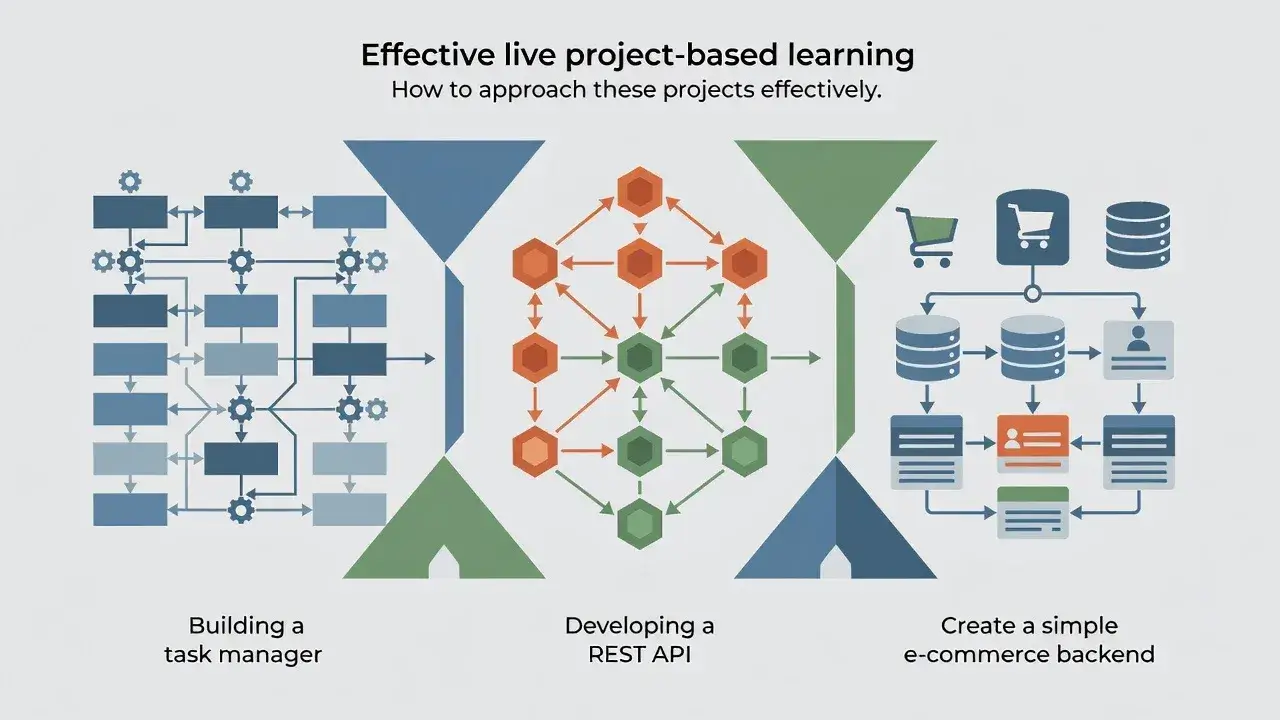
Don't aim for perfection on your first attempt. Build the simplest version that works, then improve it. This iterative approach mirrors real software development.
Start without frameworks, then refactor to use them. Building a task manager with plain Java before trying Spring Boot helps you appreciate what frameworks actually do. You'll understand the problems they solve because you've felt that pain.
Common mistakes to avoid
- Copying code without understanding it
- Skipping error handling to save time
- Not testing edge cases until everything breaks
- Giving up when stuck instead of debugging systematically
When you get stuck, resist the urge to immediately search for solutions. Spend 20 minutes trying different approaches first. This struggle is where learning happens, not in finding the answer.
Measuring your progress beyond completed features
Track how quickly you solve problems, not just how many features you build. Can you debug a NullPointerException faster than last week? Do error messages make sense now?
Your growing ability to read documentation and understand Stack Overflow answers indicates real progress. When you start helping others debug their code, you've truly learned the material.
From tutorial consumer to problem solver
These three projects transform you from someone who follows instructions into someone who builds solutions. The task manager teaches fundamentals, the REST API introduces real-world architecture, and the e-commerce backend combines everything into production-ready skills. Stop watching tutorials and start building. Your future employer cares about what you can create, not what videos you've completed.