Learning Spring Framework before fully understanding core Java fundamentals creates significant knowledge gaps that prevent developers from writing efficient, maintainable code and understanding how enterprise applications actually work under the hood.
Why learning Spring before mastering core Java ruins your foundation is a question many aspiring developers in Brasil face when choosing their learning path. The temptation to jump directly into frameworks like Spring is understandable—job postings demand it, bootcamps promote it, and building applications seems faster. However, this shortcut creates developers who can follow tutorials but struggle when problems arise or requirements change.
The illusion of productivity without understanding

Spring Framework handles many complex tasks automatically, which seems beneficial at first. Developers can create REST APIs, manage databases, and handle security without writing boilerplate code. This automation, however, becomes a problem when you don't understand what's happening behind the annotations.
When you start with Spring before grasping Java fundamentals, you're essentially learning magic tricks without understanding the mechanics. You know that adding @Autowired makes things work, but you don't understand dependency injection principles, object lifecycle, or why certain patterns exist.
What gets hidden by Spring abstractions
- Object creation and lifecycle management that Java handles through constructors and garbage collection
- Exception handling mechanisms that require understanding checked versus unchecked exceptions
- Collections framework knowledge essential for data manipulation and algorithm efficiency
- Multithreading concepts that Spring manages but developers must understand for performance optimization
The framework's convenience masks these fundamental concepts, creating developers who can build applications but cannot troubleshoot effectively or optimize performance when needed.
Core Java concepts you cannot skip
Before touching Spring, developers need solid grounding in several Java areas. These fundamentals aren't optional—they're the language you'll use to understand documentation, debug issues, and make architectural decisions.
Object-oriented programming principles
Understanding encapsulation, inheritance, polymorphism, and abstraction isn't academic exercise. These concepts explain why Spring uses interfaces extensively, how proxy patterns work in AOP, and why composition often beats inheritance in framework design.
Java collections and data structures
- List, Set, and Map implementations affect application performance directly
- Understanding when to use ArrayList versus LinkedList impacts memory and speed
- Stream API knowledge enables efficient data processing without external libraries
Spring applications constantly manipulate collections. Without understanding their behavior, you'll write inefficient code that works but performs poorly under load.
The debugging nightmare for framework-first developers
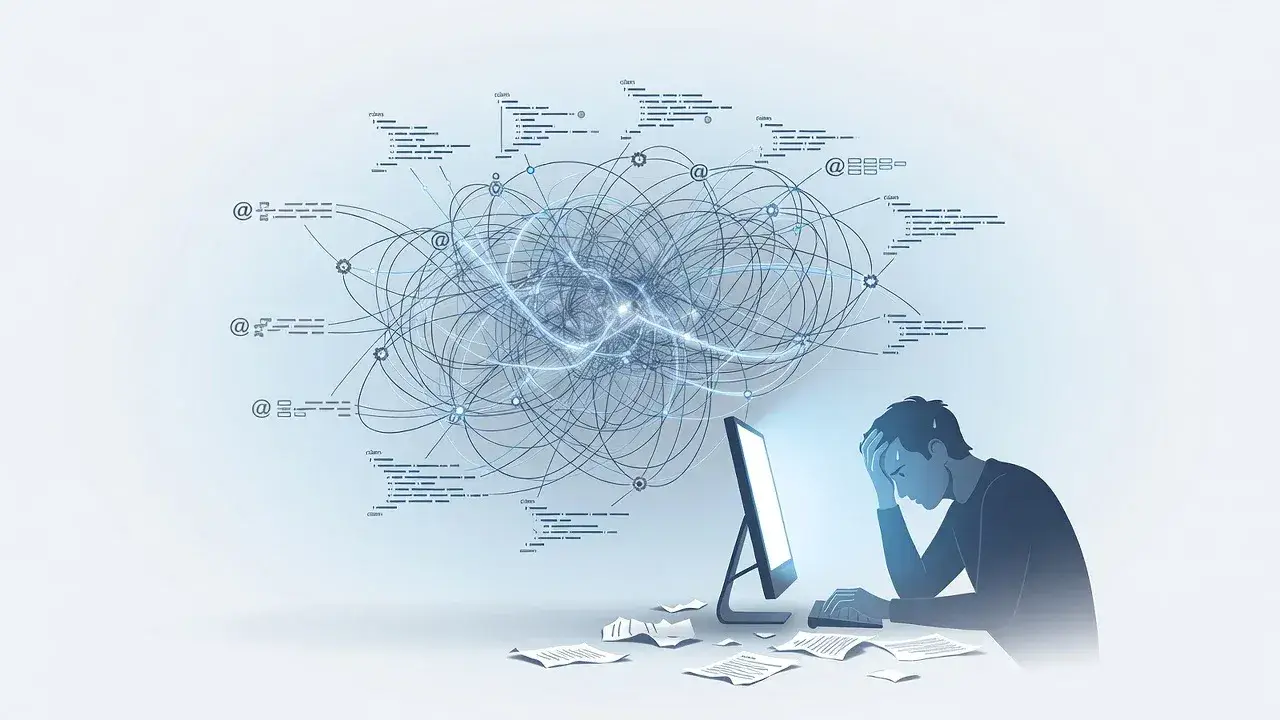
Problems reveal the cost of skipping fundamentals. When a Spring application throws a NullPointerException or a ClassCastException, developers without core Java knowledge struggle to interpret stack traces or understand what went wrong.
Framework-first developers often resort to trial-and-error debugging, changing configurations randomly until something works. This approach wastes time and creates fragile solutions that break when conditions change.
Solid Java foundation enables systematic debugging. You understand exception hierarchies, can trace execution flow, and recognize common patterns in error messages. This knowledge transforms debugging from guesswork into logical problem-solving.
Memory management and performance implications
Java's memory model, garbage collection, and JVM behavior directly impact application performance. Spring doesn't eliminate these concerns—it adds layers that make understanding them more important, not less.
Common performance issues from weak foundations
- Creating unnecessary objects in loops because you don't understand object pooling
- Memory leaks from improper resource management and not closing connections
- Thread safety issues when sharing mutable state across Spring beans
- Inefficient queries because you don't understand how collections and streams work
These problems appear in production, not during tutorial-following. Developers with strong Java fundamentals recognize and prevent them during development.
Career limitations from incomplete foundations

The job market reveals another cost. While entry-level positions might accept Spring knowledge alone, mid-level and senior roles require deep Java understanding. Technical interviews test algorithmic thinking, data structure knowledge, and core language features.
Developers who learned Spring first often hit career plateaus. They can maintain existing applications but struggle with system design, performance optimization, or migrating to new technologies. Their framework-specific knowledge doesn't transfer well to other tools or languages.
Companies increasingly value developers who understand principles over those who know specific frameworks. Java fundamentals provide transferable knowledge that applies across the ecosystem, from Android development to big data processing.
The right learning sequence for lasting success
Effective learning follows a logical progression. Start with Java syntax, control structures, and basic OOP. Build small console applications that manipulate data and solve problems. This phase feels slow but creates mental models for how programs work.
Recommended learning path
- Master Java syntax, data types, and control flow through practical exercises
- Learn OOP principles by designing and implementing class hierarchies
- Study collections framework and practice algorithm implementation
- Understand exception handling, I/O operations, and basic multithreading
Only after these fundamentals feel comfortable should you approach Spring. With solid Java knowledge, Spring's abstractions make sense. You understand what problems the framework solves and can use it effectively rather than blindly following patterns.
Building true expertise through proper foundations
The difference between framework users and skilled developers lies in foundational knowledge. Developers with strong Java fundamentals learn Spring faster, use it more effectively, and adapt easily when new frameworks emerge or requirements change.
This approach requires patience. Spending months on core Java before touching Spring feels inefficient when job postings demand framework experience. However, this investment pays dividends throughout your career, enabling continuous growth rather than constant struggle with concepts you never properly learned.
Your foundation determines how high you can build. Rushing to frameworks creates structures that collapse under pressure. Taking time to master Java creates developers who thrive in complex environments and advance beyond entry-level positions.