Jakarta EE has regained momentum in enterprise development by addressing modern cloud native requirements through microservices support, containerization compatibility, and vendor-neutral specifications that reduce infrastructure lock-in while maintaining backward compatibility with existing Java EE investments.
Why Jakarta EE quietly became relevant again for cloud native apps is a question many developers are asking as they witness the platform's resurgence in 2025. After years of uncertainty following Oracle's handover to the Eclipse Foundation, Jakarta EE has transformed into a practical choice for organizations building scalable, cloud-ready applications without sacrificing enterprise stability.
The transition from Java EE created unexpected opportunities
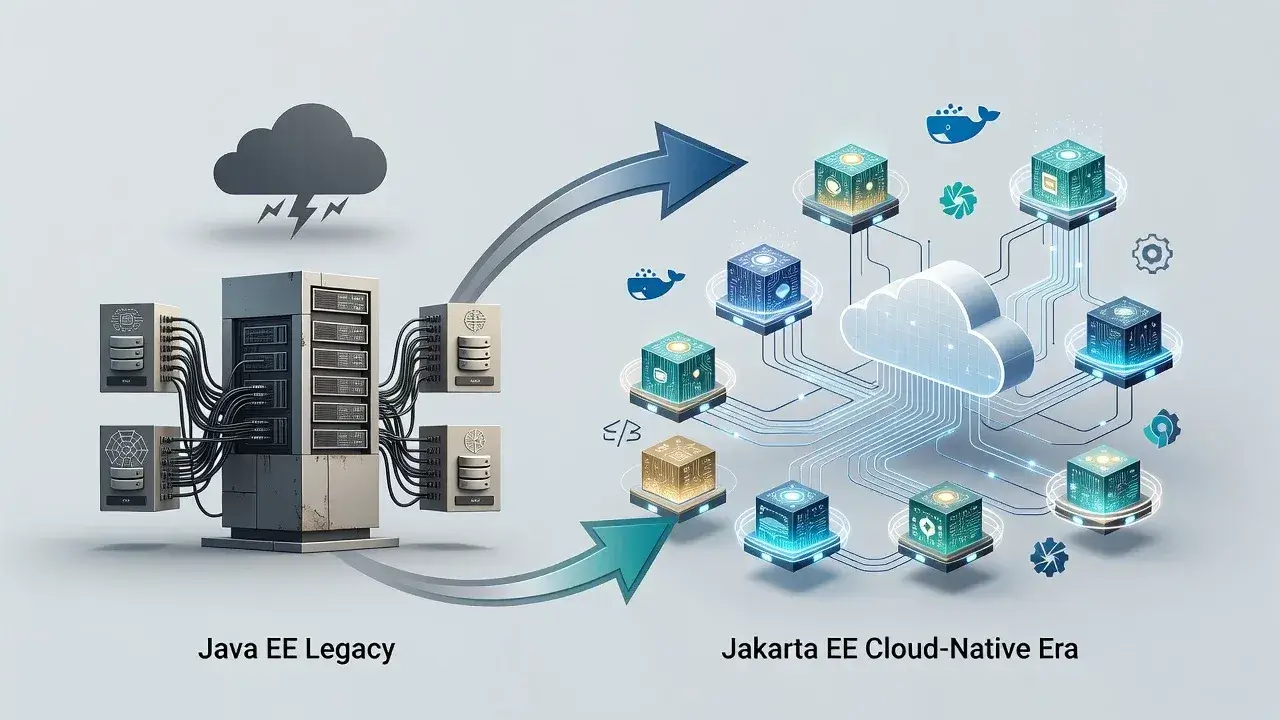
When Oracle transferred Java EE to the Eclipse Foundation in 2017, many developers questioned the platform's future. The rebranding to Jakarta EE seemed like a bureaucratic necessity rather than a strategic evolution.
However, this transition removed corporate constraints that had slowed innovation for years. The Eclipse Foundation's open governance model allowed faster specification updates and community-driven development. Organizations that had avoided Java EE due to Oracle's unpredictable licensing policies found Jakarta EE's vendor-neutral approach refreshing.
The name change also forced the community to modernize APIs and rethink legacy assumptions. This reset positioned Jakarta EE as a forward-looking platform rather than a maintenance-mode technology, attracting developers who had previously dismissed it as outdated.
Cloud native architectures demand what Jakarta EE now delivers
Modern cloud platforms require applications that scale horizontally, fail gracefully, and deploy rapidly across distributed environments.
Microservices integration became seamless
Jakarta EE specifications now include MicroProfile, which provides annotations and APIs specifically designed for microservices patterns. Developers can implement circuit breakers, health checks, and distributed tracing without third-party frameworks.
- RESTful services with Jakarta REST simplify API development
- Jakarta CDI enables dependency injection across service boundaries
- Configuration management adapts to containerized deployments
- Fault tolerance patterns prevent cascading failures
Container compatibility removed deployment friction
Jakarta EE runtimes like Open Liberty, WildFly, and Payara optimize for container environments. These servers start in seconds rather than minutes, making them viable for Kubernetes deployments where rapid scaling matters.
The specifications evolved to support stateless operations and externalized configuration, which are essential for cloud native applications that treat infrastructure as disposable. This shift contrasts sharply with traditional Java EE's assumption of long-lived server instances.
Vendor neutrality became a competitive advantage

Cloud providers increasingly promote proprietary services that create lock-in. Jakarta EE's specification-based approach allows organizations to switch infrastructure providers without rewriting application code.
Multiple vendors implement Jakarta EE specifications, giving developers choice in runtime environments. An application running on Open Liberty can migrate to Payara or WildFly with minimal adjustments, preserving investments in developer training and codebase knowledge.
This portability matters for organizations operating in regulated industries where multi-cloud strategies mitigate risk. Jakarta EE provides standardization without sacrificing the flexibility needed for diverse deployment scenarios.
Backward compatibility preserved existing investments
Organizations with substantial Java EE codebases faced a dilemma: rewrite everything in newer frameworks or accept technical debt. Jakarta EE solved this by maintaining API compatibility while adding modern capabilities.
Migration paths from Java EE 8 to Jakarta EE 9 and beyond require namespace changes but preserve functional behavior. This incremental approach allows teams to modernize applications gradually rather than undertaking risky full rewrites.
Companies can introduce cloud native patterns alongside existing monolithic components, creating hybrid architectures that balance innovation with stability. This pragmatic approach resonates with enterprises that cannot afford downtime or resource-intensive migrations.
Performance improvements matched framework competitors
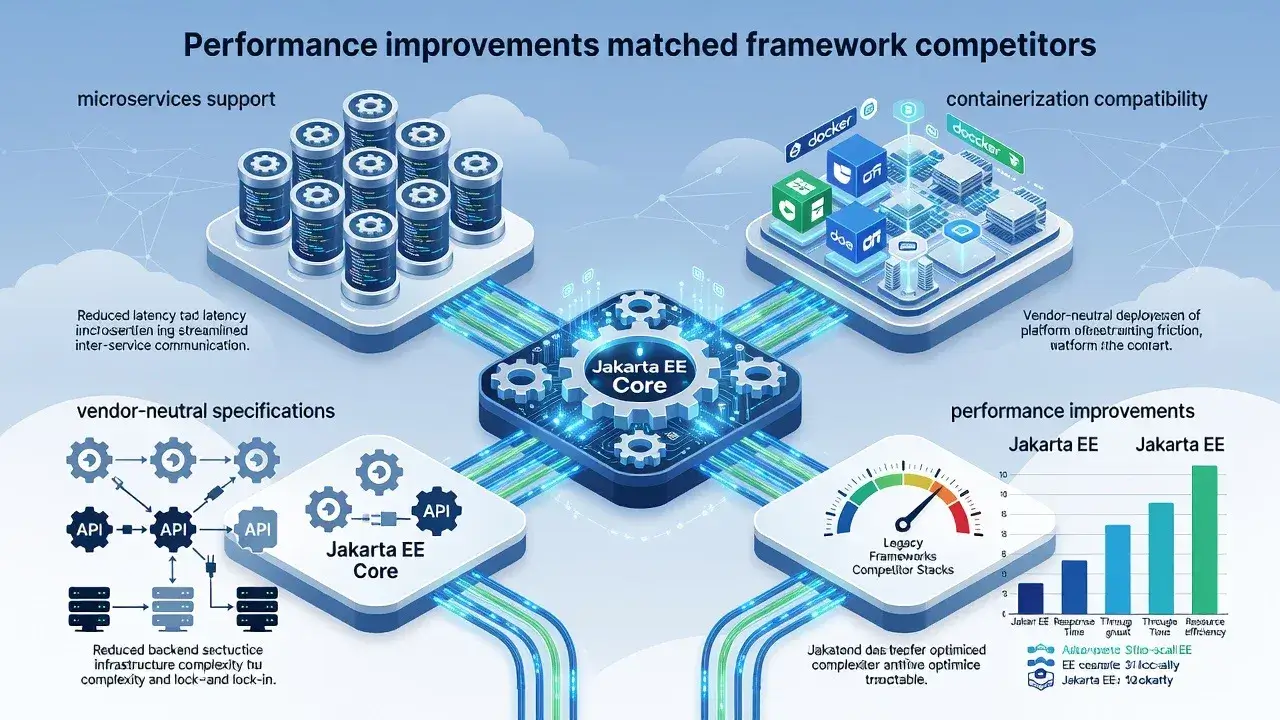
Early Jakarta EE versions carried the reputation of being heavyweight and slow. Recent implementations challenged this perception through aggressive optimization.
Startup times dropped dramatically
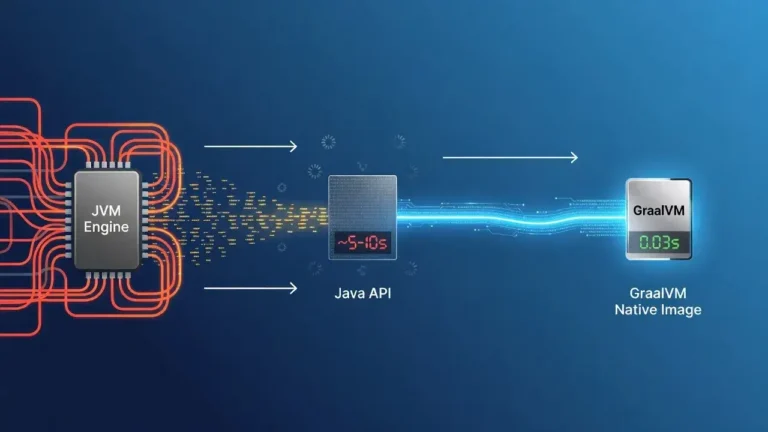
Modern Jakarta EE servers achieve startup times under five seconds for typical applications, making them comparable to Spring Boot and other popular frameworks. This improvement stems from lazy initialization, optimized classloading, and reduced reflection overhead.
- Quarkus integration brings native compilation options
- Memory footprints decreased through efficient resource management
- Cold start penalties diminished in serverless deployments
These enhancements make Jakarta EE viable for scenarios where rapid scaling and resource efficiency directly impact operational costs. Cloud environments charge for compute time, making every millisecond of startup time financially relevant.
Community momentum accelerated specification development
The Eclipse Foundation's governance structure enabled faster innovation cycles. Jakarta EE 9, 10, and subsequent releases introduced features at a pace impossible under Oracle's stewardship.
Active working groups address emerging needs like reactive programming, GraphQL support, and enhanced security specifications. This responsiveness contrasts with the stagnation that characterized Java EE's final years, when critical updates languished for years.
Developer conferences and online communities report growing interest in Jakarta EE topics, indicating renewed enthusiasm. This grassroots support creates a virtuous cycle where vendor investment follows community engagement, funding further improvements.
Real-world adoption validates the platform's relevance
Financial institutions, healthcare providers, and government agencies have deployed Jakarta EE applications in production cloud environments. These organizations value the platform's maturity, extensive tooling ecosystem, and predictable upgrade paths.
Case studies demonstrate Jakarta EE handling millions of transactions daily with reliability comparable to established enterprise platforms. The combination of proven stability and modern capabilities appeals to decision-makers balancing innovation against operational risk.
Startups also adopt Jakarta EE when they anticipate rapid growth requiring enterprise-grade features. The platform scales from small deployments to massive infrastructures without architectural rewrites, providing a clear growth path.
Jakarta EE found its niche in enterprise cloud
Jakarta EE's resurgence stems from addressing practical needs rather than chasing trends. By combining cloud native capabilities with enterprise reliability, the platform serves organizations that cannot afford the risks associated with less mature technologies. Its vendor-neutral specifications, backward compatibility, and performance improvements position Jakarta EE as a sustainable choice for long-term application development in cloud environments.